Know the capital
The Bahamas at its most connected and layered.
Nassau and Paradise Island combine the country’s capital, its deepest visitor infrastructure, strong air access, historic streets, major resorts, public beaches and easy boat excursions. This is the busiest, most developed face of The Bahamas, so a thoughtful plan makes the city’s culture and quieter coastlines easier to find.
A brief history
Lucayan people lived throughout The Bahamas before European enslavement and forced removal devastated their communities after contact. The English established a settlement on New Providence in the 1600s; the harbor later became a base for privateers and pirates before British rule was reasserted.
African-Bahamian people—many enslaved, others arriving after emancipation or liberation from illegal slave ships—shaped the island’s labor, food, music, faith and identity. Nassau became the national capital, and The Bahamas gained independence from Britain in 1973.
What Nassau is most known for
Atlantis and Aquaventure, Cable and Cabbage beaches, Junkanoo, Bay Street, the Queen’s Staircase, major casinos, the Fish Fry at Arawak Cay, easy Exuma day trips and the broadest selection of flights, hotels and restaurants in The Bahamas.
Geography
Nassau occupies much of New Providence, a low limestone island roughly 21 miles long. Paradise Island lies immediately north across Nassau Harbour, linked by two road bridges and a small passenger water taxi. The airport sits on the western side; downtown and the cruise port face the harbor.
Map & orientation
One compact capital island. Two very different resort corridors.
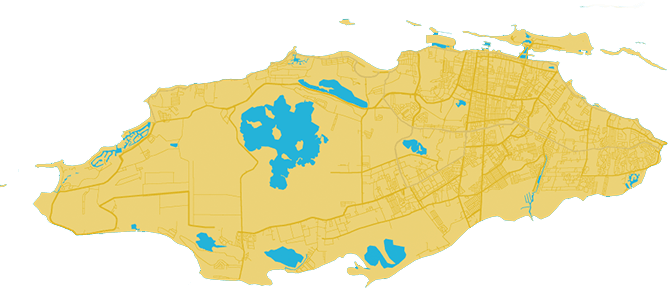
The airport and quietest beaches sit west. Cable Beach is the major resort district. Downtown holds the historic core; Paradise Island rises just across the harbor.
Plan your trip
Dry-season ease, shoulder-season value and summer flexibility.
December–February
Lower humidity and comfortable evenings create excellent city and beach weather. Holiday prices and crowds peak, while cold fronts can briefly roughen the water.
March–May
March and April stay busy around spring break; May brings warmer water, lighter crowds and often better room rates.
June–August
July is hot and humid, with warm water, summer events and growing shower, sargassum and tropical-weather risk.
September–November
The quietest stretch overlaps peak historical storm risk. Flexible reservations, named-storm coverage and backup plans matter.
Is Nassau hurricane-safe?
No. New Providence is exposed to Atlantic tropical storms and hurricanes. The island has substantial infrastructure, but that does not remove flight disruption, flooding, power loss or evacuation concerns. Use refundable arrangements and coverage that actually includes named storms.
Arrivals & ferries
The easiest major gateway in The Bahamas.
Lynden Pindling International Airport (NAS) receives nonstop service from numerous U.S., Canadian, Caribbean and British gateways. U.S.-bound passengers normally complete U.S. immigration and customs preclearance before departure, so leave extra airport time.
Fly to Nassau
Airport taxis use regulated zone fares. Paradise Island is usually about 25–35 minutes away without heavy traffic; Cable Beach is closer and downtown falls between them. Confirm the fare before departure.
Nassau ↔ Paradise Island
Taxis cross the Sir Sidney Poitier Bridge. Passenger water taxis run between the downtown waterfront and Paradise Island in daylight, taking roughly ten minutes; schedules, price and exact landing can change.
Nassau ↔ Spanish Wells
Bahamas Ferries lists scheduled passenger service on selected days. The crossing is a little over two hours in normal operation.
Nassau ↔ Harbour Island
Scheduled passenger service continues via Spanish Wells on selected days. A same-day visit is possible on the published timetable, but an overnight feels far less rushed.
Choose your base
Where to stay in Nassau & Paradise Island
Best for Atlantis, families & resort ease
Paradise Island
Stay here when Aquaventure, Cabbage Beach and a self-contained resort vacation are the point. The bridge keeps downtown close, but restaurant prices and the resort atmosphere can make it feel separate from everyday Nassau.
- Nearby
- Atlantis, Cabbage Beach, Marina Village, Versailles Gardens, Ocean Club
- Consider
- Atlantis, Comfort Suites Paradise Island, The Ocean Club, Sunrise Beach Club
Best for upscale beachfront variety
Cable Beach & Baha Mar
A long west-coast resort district with a broad beach, three Baha Mar hotels, Baha Bay, golf, restaurants and easier access to the airport than Paradise Island. It is luxurious and convenient, though less historic than downtown.
- Nearby
- Cable Beach, Baha Mar, Baha Bay, golf, restaurants, nightlife
- Consider
- Rosewood Baha Mar, SLS Baha Mar, Grand Hyatt Baha Mar, Sandals Royal Bahamian
Best for history, food & short stays
Downtown Nassau & Western Esplanade
Choose downtown to walk Bay Street, the Queen’s Staircase, museums, galleries and the waterfront. Cruise-ship hours are busy; mornings and evenings reveal a calmer city. Junkanoo Beach and Arawak Cay sit just west.
- Nearby
- Queen’s Staircase, Fort Fincastle, National Art Gallery, Straw Market, Fish Fry
- Consider
- British Colonial Nassau, Graycliff, Margaritaville Beach Resort, smaller guesthouses
Best for quiet beaches & local space
West New Providence
Love Beach, Jaws Beach and Clifton Heritage National Park give the western end a quieter, more natural identity. A rental car is useful and dining is spread out, but the payoff is distance from the cruise and casino corridors.
- Nearby
- Love Beach, Jaws Beach, Clifton Heritage, Stuart Cove’s, airport
- Consider
- A Stone’s Throw Away, Compass Point area rentals, villas and boutique stays
Best for marinas, homes & a residential feel
East New Providence
The eastern side is useful for marinas, vacation homes and boat departures. Groups can find space and waterfront value here, with a car or driver for beaches and sightseeing.
- Nearby
- Palm Cay, Yamacraw, Montagu, Potter’s Cay, eastern boat departures
- Consider
- Palm Cay rentals, waterfront villas, small inns and private homes
The capital’s softer side
Beaches worth leaving the pool for.
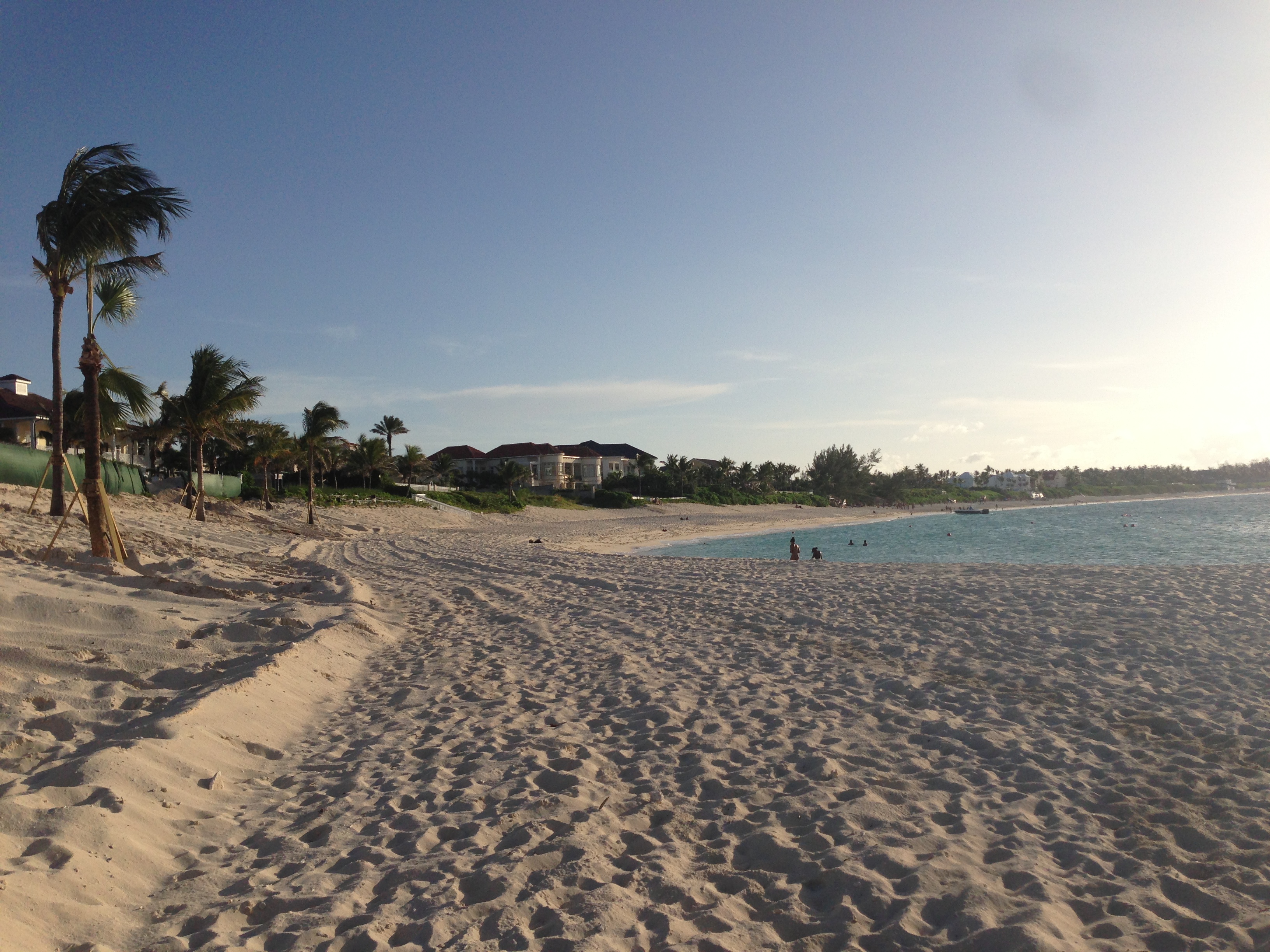
Cabbage Beach, Paradise Island
A long, photogenic sweep of pale sand and bright Atlantic water. Public access is easiest near the eastern end; shore break, current and vendor pressure vary with conditions and crowds.

Cable Beach
The resort district’s broad western beach, with generally clear water and easy hotel access. Public access points are less obvious than the shoreline itself, so confirm the nearest legal entrance.
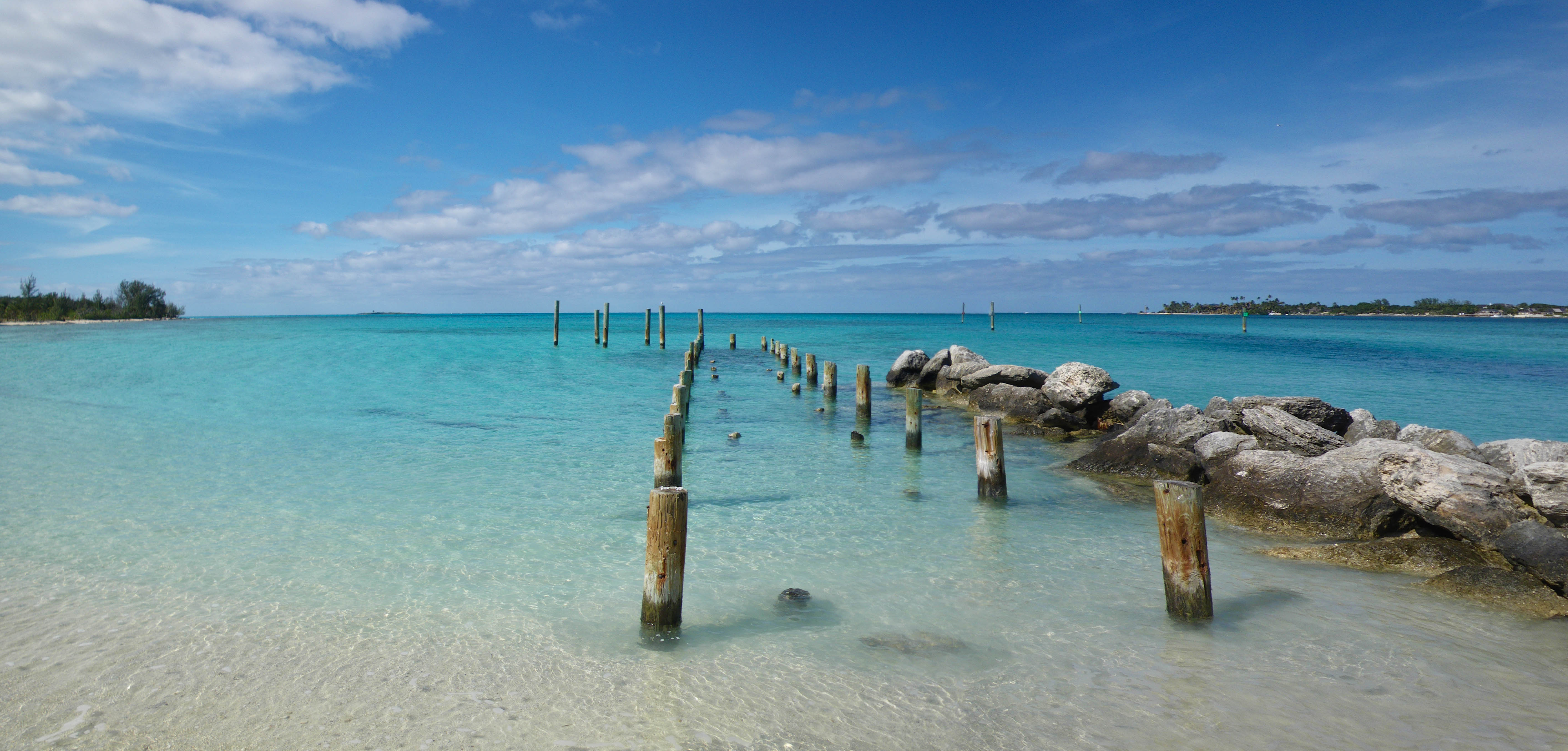
Jaws Beach
A quieter western beach near Clifton Heritage National Park, with shallow turquoise water and a local feel. Bring water and shade, leave valuables behind and avoid isolated stretches late in the day.
Love Beach
A relaxed west-coast alternative with reef patches offshore and several small beach venues. Water shoes help around rock and coral; snorkeling depends on wind and visibility.
Saunders Beach
A convenient, family-friendly public beach west of downtown with facilities, shade structures and calmer water in settled weather.
Junkanoo Beach
The easiest sand from downtown and the cruise port. It is lively, with music, food and a front-row view of Nassau Harbour activity.
Exposed north and east shores carry the greatest risk
Checked July 29, 2026
Regional monitoring shows an exceptionally active 2026 sargassum season. Nassau’s exposed northern and eastern beaches—including Cabbage, Cable and some Paradise Island shorelines—can receive landings when wind and current align. Western coves may offer a better fallback, though conditions can differ sharply from beach to beach.
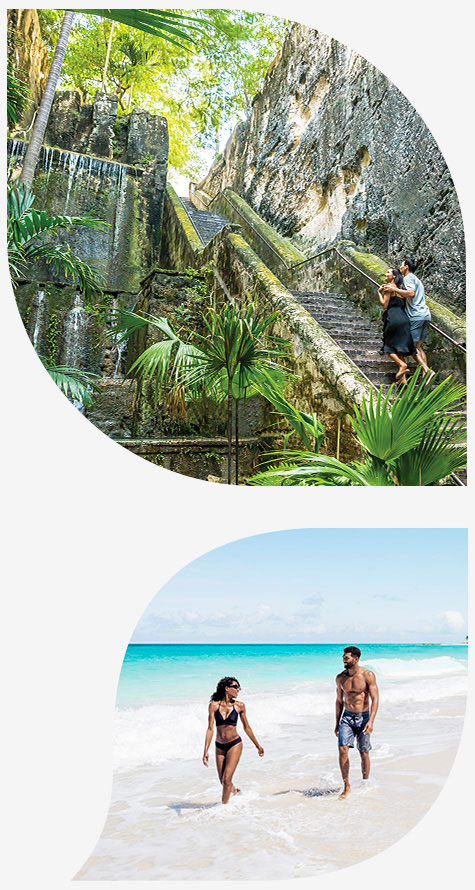
The Queen’s Staircase connects central Nassau with Fort Fincastle. Its beauty sits beside a difficult history: enslaved laborers cut the passage through solid limestone.
The Bahamas Ministry of Tourism · official destination mediaThe experiences people book first
Nassau’s most worthwhile tours and day trips.
The strongest outings balance the capital’s history, food and underwater life with a realistic understanding of traffic, cruise crowds and boat distance.
Rose Island sail or powerboat
Escape the developed coast for beaches and snorkeling without committing to the much longer Exuma run. Compare sailing time, group size, shade and actual beach time.
Exuma Cays speedboat
Reach swimming pigs, nurse sharks, iguanas and sandbars on an ambitious day from Nassau. Vessel comfort, weather policy and wildlife practices matter enormously.
Historic Nassau walking tour
Connect the Queen’s Staircase, Fort Fincastle, Bay Street, churches, murals and museums with a Bahamian guide who adds the history behind the landmarks.
Food & rum experience
Taste conch, bush tea, rum and contemporary Bahamian dishes while learning how migration, trade and local ingredients shaped Nassau’s food culture.
Clifton Heritage & snorkeling
Pair interpreted Lucayan, African and colonial history with coastal trails and the underwater sculpture garden when sea conditions allow.
Wreck, wall or shark dive
Explore New Providence’s wrecks, walls or shark sites with an operator that matches depth and conditions to experience and briefs honestly about wildlife.
The signature resort
Atlantis deserves more than a paragraph.
Atlantis is a 141-acre water-park, marine-habitat and resort complex with multiple hotels, beaches, pools, slides, restaurants, a casino and enough pathways to make “meet by the shark lagoon” an unexpectedly vague instruction. Resort guests receive Aquaventure access; outside visitors need a limited-availability day pass.
Atlantis Paradise Island
Compare every hotel, understand day-pass access, prioritize Aquaventure rides, plan for children, navigate the marine habitat and budget for meals, fees and add-ons.
Best for
Families, multigenerational groups, water-slide fans and travelers who want a resort with a huge activity safety net.
Stay or day pass?
Stay for two or more park days and easier early starts. Use a day pass when Atlantis is one highlight within a broader Nassau trip.
Main strength
Aquaventure, beaches and marine exhibits create one of the Caribbean’s deepest family resort infrastructures.
Main tradeoff
Scale, crowds and food costs. A little planning separates “spectacular” from “why have we walked past this lagoon three times?”
On & under the water
Wrecks, walls and one enormous blue hole.
Deep-sea fishing
Nassau has the Bahamas’ broadest selection of visitor-ready fishing boats, departing from Nassau Harbour, Paradise Island and eastern New Providence marinas. Offshore trolling targets mahi-mahi, wahoo, tuna, sailfish and marlin, while shorter trips may mix reef and deep-drop fishing.
Best timing: Wahoo tends to be strongest in winter, mahi in spring and tuna or billfish during warmer periods. Ask whether a quoted half day spends meaningful time offshore or combines fishing with sightseeing and swimming stops.
Scuba diving
New Providence offers wrecks, walls, shark dives and the Lost Blue Hole. Well-known sites include the Ray of Hope, Sea Viking, James Bond wrecks and the Tongue of the Ocean drop-off. Hurricane damage, disease and heat stress affect reef health unevenly; choose an operator that briefs honestly and does not guarantee wildlife.
Snorkeling
Clifton Heritage National Park’s underwater sculpture garden combines art, history and reef habitat. Love Beach and organized boat trips can offer easier reef access. Boat traffic is intense near Nassau Harbour, so never improvise a snorkel route across channels.
Sailing & boating
Day sails, private powerboats and speedboat excursions reach Rose Island, Pearl Island, nearby reefs and the Exuma Cays. Nassau works better as an excursion hub than as a protected BVI-style bareboat circuit. For Exuma pig tours, expect a long, fast and weather-sensitive day.
Surfing
Rideable waves appear occasionally with winter fronts and tropical systems, but consistency is low and reef hazards limit casual access. Plan the trip around Nassau’s diving, boating and beaches; dedicated surfers will find stronger odds on Eleuthera.
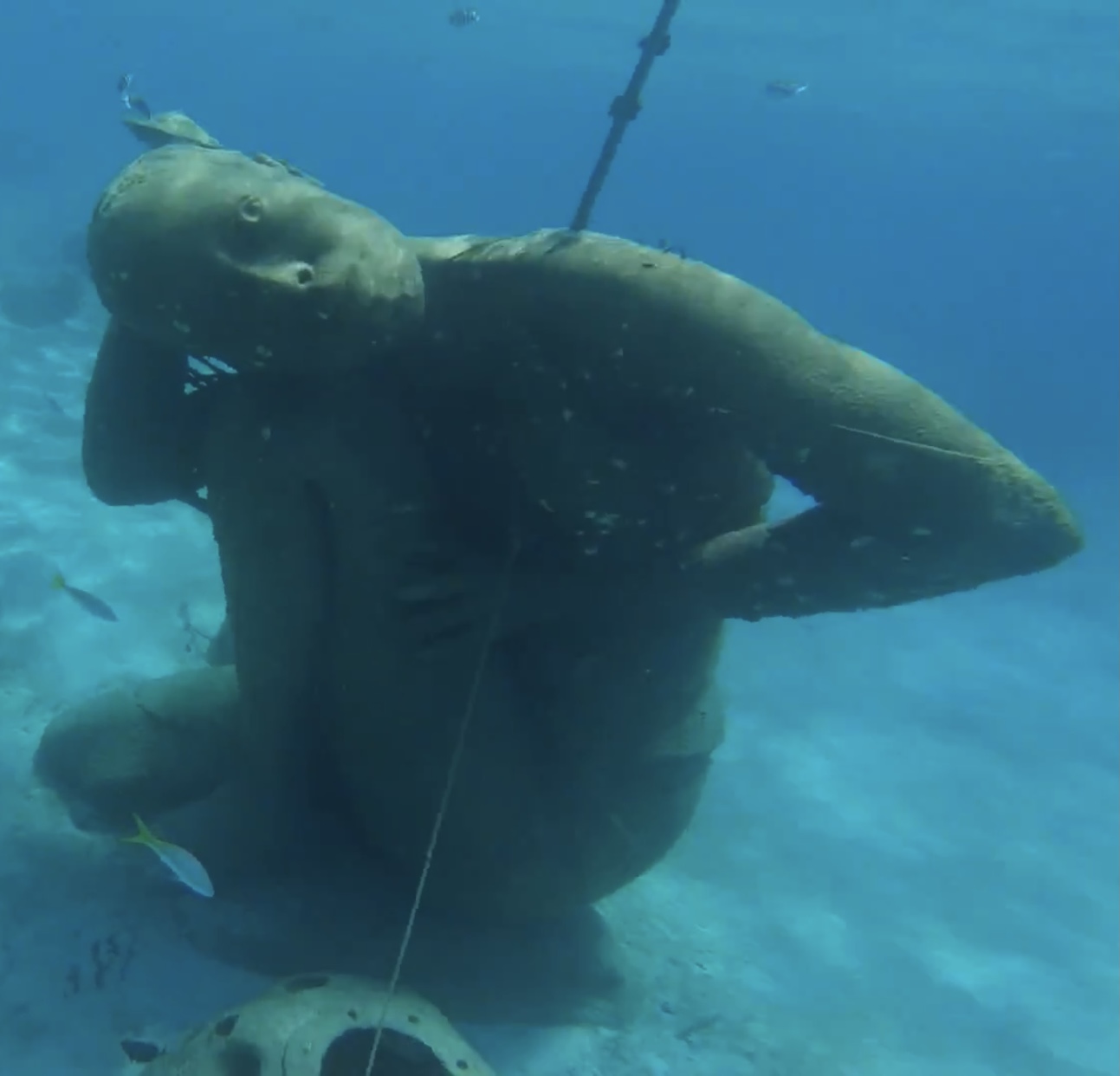
Jason deCaires Taylor’s Ocean Atlas anchors an underwater sculpture garden near a coastline where Clifton Heritage interprets Lucayan, African and colonial histories.
bowlochile / Wikimedia Commons · CC BY 3.0Culture, trails & excursions
Leave room for the capital beyond the resorts.
Culture
Junkanoo’s costumes, goatskin drums, cowbells and brass carry months of neighborhood work into the streets. Bahamian art is visible at the National Art Gallery, D’Aguilar Art Foundation and downtown murals; food culture runs through conch stands, family kitchens, fish fries and modern chef-led restaurants.
The most rewarding history pairs landmarks with interpretation. The Queen’s Staircase, Pompey Museum, forts and Clifton Heritage all become more meaningful with a knowledgeable Bahamian guide.
Hiking & nature
New Providence is flat, so expect coastal walks and nature trails. Clifton Heritage offers clifftop, forest and shoreline routes; Primeval Forest National Park protects limestone caverns and old-growth vegetation. Heat and mosquitoes make morning the civilized choice.
Historic Nassau walk
Start early at the Queen’s Staircase and Fort Fincastle, then descend toward museums, murals and Bay Street before cruise crowds peak.
Clifton Heritage day
Combine guided history, coastal trails and the underwater sculpture garden when sea conditions allow.
Rose Island boat day
Choose a small-group sail or private boat for beaches and snorkeling without committing to the much longer Exuma run.
Ardastra Gardens
See the famous marching flamingos and support conservation-focused programming—especially useful for families.
Food & rum tour
Use a local guide to connect conch, bush tea, rum and modern Bahamian cooking to the city’s history.
Exuma Cays speedboat
A spectacular but very long day. Verify boat size, weather policy, wildlife practices and actual time spent at each stop.
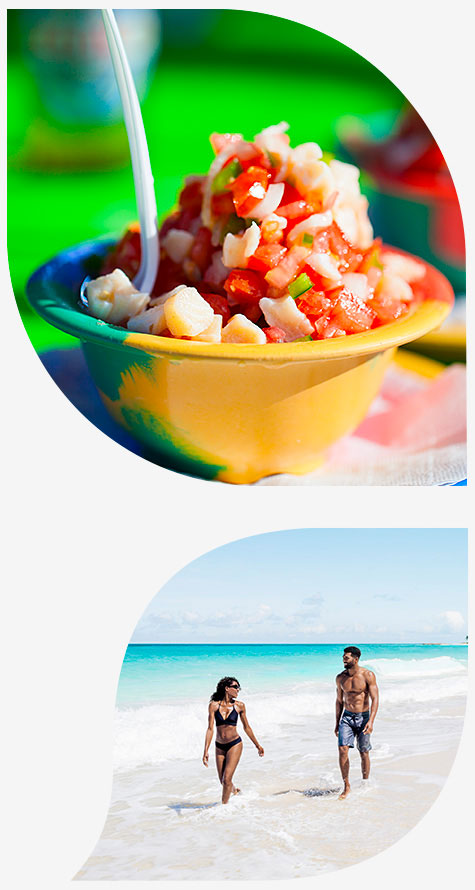
The Fish Fry brings conch salad, cracked conch, grilled snapper, peas and rice and strong opinions about where each should be ordered into one waterfront strip.
The Bahamas Ministry of Tourism · official destination mediaThe annual calendar
Nassau’s biggest nights belong to Junkanoo.
Dates and programs outside the traditional holiday parades change annually. Confirm tickets, parade route and start time before shaping a trip around an event.
Boxing Day & New Year’s Day · Bay Street
Nassau Junkanoo
Elaborate costumes, horns, drums, cowbells and fiercely competitive groups rush through downtown after midnight in The Bahamas’ largest Junkanoo celebrations.Usually March · Paradise Island
Nassau Paradise Island Wine & Food Festival
Chef dinners, tastings and culinary events bring an international festival atmosphere to Atlantis while highlighting Bahamian talent and ingredients.Restaurants & hotels
From conch shacks to white-tablecloth rooms.
Twin Brothers, Oh Andros and other Fish Fry kitchens for conch, snapper, lobster, peas and rice and lively evenings
Graycliff, Café Matisse, Cricket Club, museum-area cafés and newer Bahamian restaurants—reserve destination dinners
Conch salad and casual waterfront food beneath the Paradise Island bridges; atmosphere is local and very informal
Marcus at Baha Mar Fish + Chop House, Costa, Café Boulud and a large resort restaurant collection
Dune at The Ocean Club plus Atlantis restaurants including Fish, Nobu, Café Martinique and casual Marina Village choices
Conch salad, cracked conch, grilled grouper or snapper, peas and rice, johnnycake, baked macaroni and guava duff
Practical details
The useful things to know before you go.
Bahamian English and local expressions shape everyday conversation.
BSD is fixed at parity with the U.S. dollar. U.S. cash is accepted throughout Nassau.
Cards are widely accepted. Carry small cash for jitneys, water taxis, tips, beach vendors and outages.
North American plugs fit the standard outlets.
Municipal and resort water is treated, but taste and building plumbing vary. Filtered water is a common preference.
Taxis suit short stays; rent a car for western beaches and independent island touring.
Transportation
Jitneys serve downtown and Cable Beach during daytime but do not provide comprehensive late-night or Paradise Island coverage. Taxis have no Uber-style competitor. Water taxis are scenic; use road transport for time-critical plans.
Entry basics
Entry rules depend on nationality and arrival route. U.S.-bound air passengers generally complete U.S. immigration and customs preclearance at NAS, requiring additional departure time.
Safety
Nassau requires more urban awareness than most Out Islands. Follow current official advisories, use reputable transport, avoid isolated areas after dark, keep valuables out of sight and ask hotels which neighborhoods or beaches currently warrant extra caution. Water excursions also deserve serious vetting.
Health & vaccines
Routine vaccines should be current. Use mosquito and sun protection, carry travel medical insurance and verify entry rules if arriving from a yellow-fever-risk country. Divers should confirm operator safety standards and emergency planning.
Flight schedules, ferry days, attraction inventory, resort fees, beach conditions and safety guidance change. Reconfirm details with official sources and your providers before travel.
Research desk
Official sources & live checks
Flight schedules, ferry days, day-pass inventory, attraction hours, resort fees, beach conditions and safety guidance change. Start here, then verify the week you travel.