Find your bearings
Calm west. Social south. Wild Atlantic east.
Barbados is compact, but cross-island drives are slower than the mileage suggests. Use the map to group west-coast beach days, southern evenings and east-coast scenery.
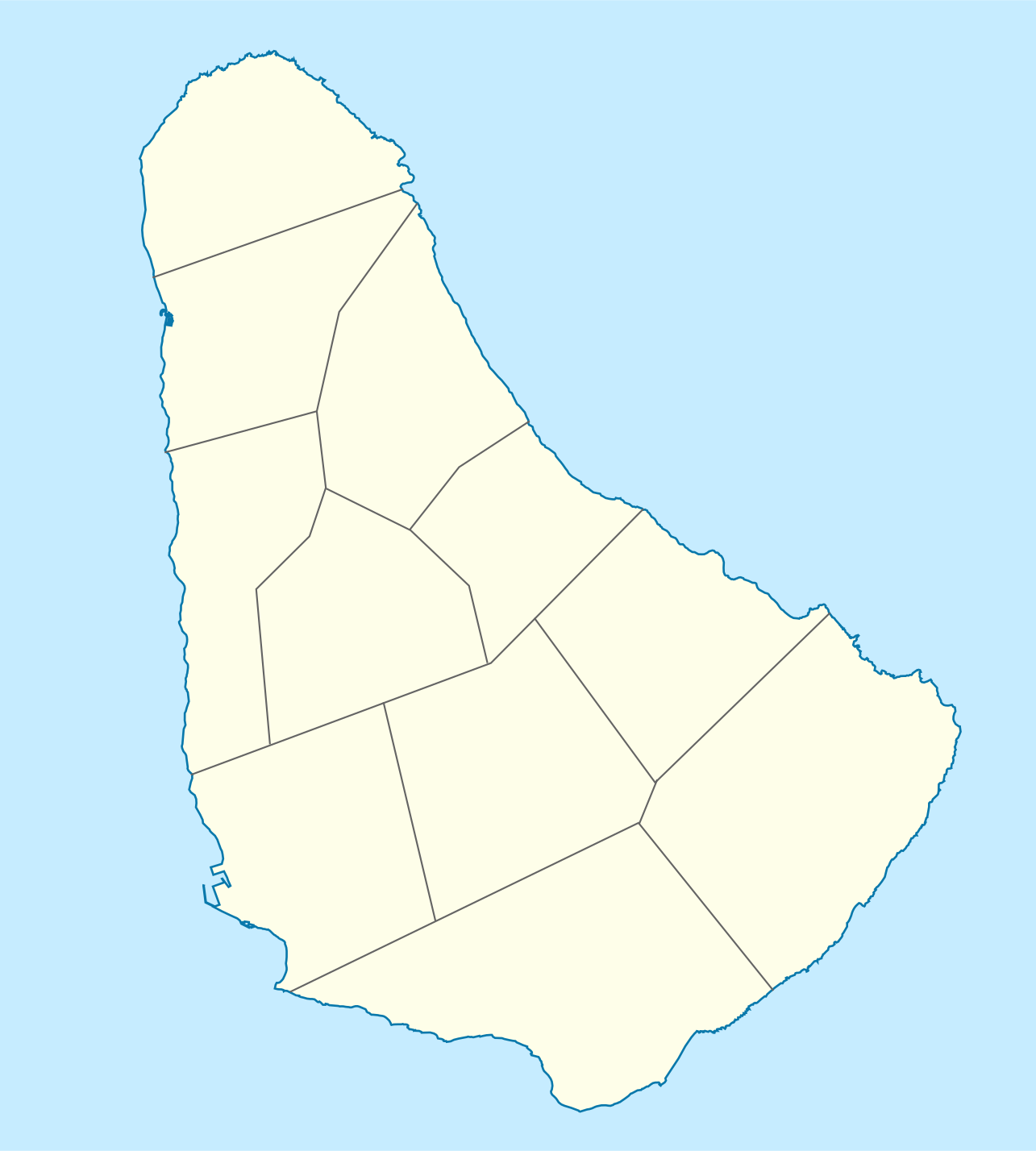 SpeightstownHistoric northwestHoletownWest-coast hubHarrison’s CaveCentral uplandsBathshebaSurf & sceneryBridgetownCapital & UNESCOOistinsFish fry & beachesBGIInternational airportBottom BayCliffs & palms
Calm water, luxury hotels, sunset dining and the easiest beach-hopping.
Convenience, value, restaurants, nightlife and family-friendly bays.
Surf, cliffs, trade winds and the island’s most dramatic landscapes.
Know the island
More than a beautiful beach.
Barbados balances two personalities with unusual grace: easy Caribbean swimming along the west and southwest, then wind-carved cliffs and surf on its Atlantic edge. Add one of the region’s richest food scenes, layered history and unmistakably Bajan warmth, and the island rewards far more than a resort-only visit.
A brief history
Indigenous peoples lived on Barbados long before European arrival. English settlement began in 1627, followed by a sugar economy built on the forced labor of enslaved Africans. Emancipation came in 1834, though freedom and economic equality unfolded far more slowly.
Barbados gained independence on November 30, 1966 and became a republic on the same date in 2021. Historic Bridgetown and its Garrison, inscribed by UNESCO in 2011, reveal the island’s role in Atlantic trade and British colonial expansion.
What Barbados is most known for
Calm west-coast beaches, Bathsheba’s Soup Bowl, rum heritage, Crop Over, cricket, flying fish and cou-cou, Oistins Fish Fry, gracious hotels and the UNESCO-listed streets and fortifications of Bridgetown.
Geography
The easternmost Caribbean island is about 21 miles long and 14 miles wide. Unlike its volcanic neighbors, Barbados is formed largely from uplifted coral limestone terraces. Mount Hillaby reaches roughly 1,115 feet; the west slopes gently toward the Caribbean while the rugged east faces the open Atlantic.
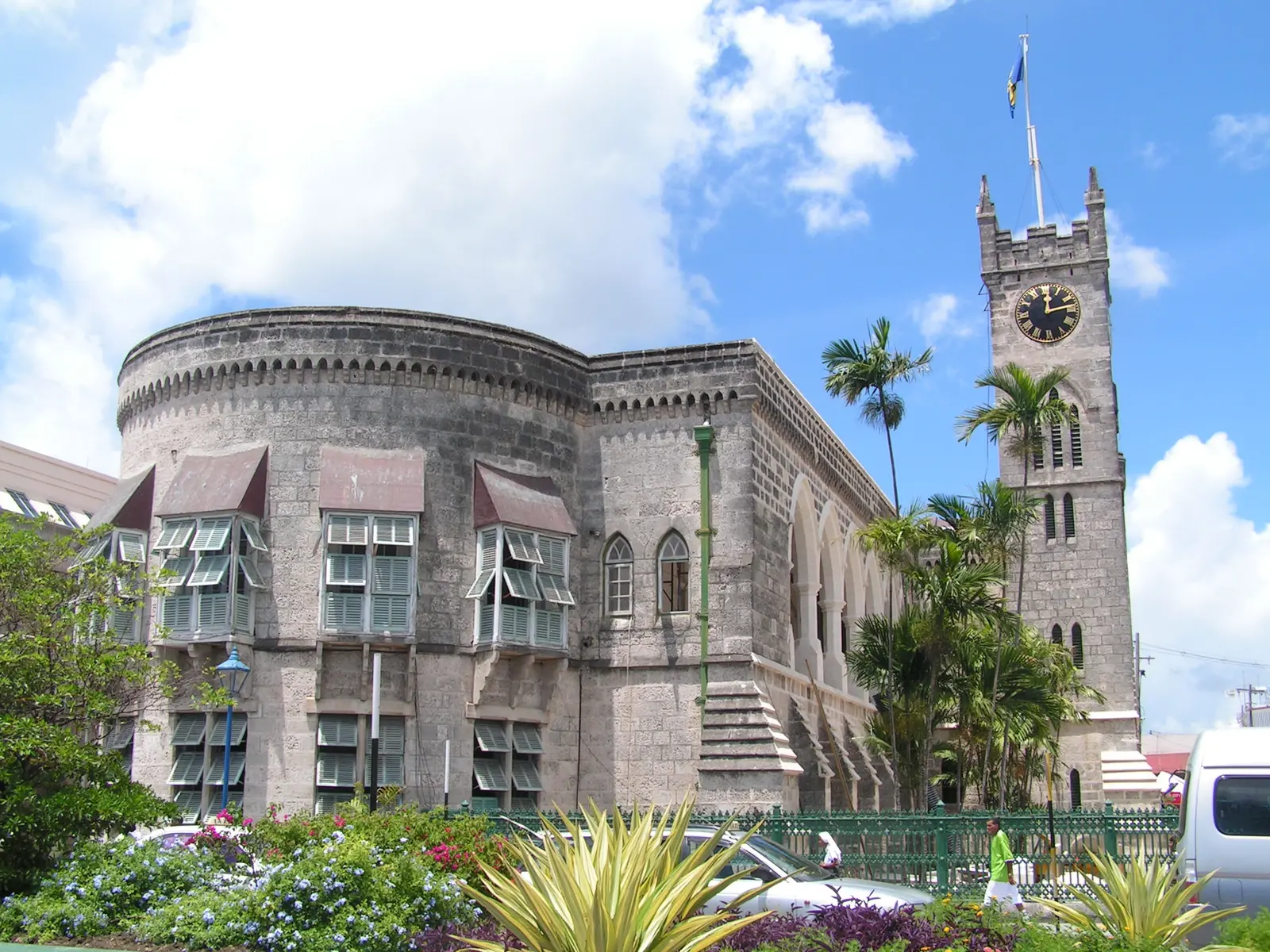
Bridgetown’s Parliament Buildings anchor a UNESCO-listed cityscape shaped by trade, empire, emancipation and modern Bajan nationhood.
Regani · Wikimedia Commons · Public domainPlan your trip
Dry-season ease. Summer festival energy.
December–April
The driest weather, lower humidity and lively dining season—with the highest room rates.
May–June
Warm water, softer pricing and fewer crowds before the wettest months, with some showers.
July–early August
Crop Over brings music, food and color; expect heat, rain chances and active sargassum season.
Is Barbados hurricane-safe?
No. Barbados sits farther east and has historically seen fewer direct strikes than parts of the northern Caribbean, but it is not outside hurricane risk. The Atlantic season runs June 1–November 30, with the highest concern generally August through October. Use flexible reservations and strong storm coverage.
Arrivals
How to get to Barbados.
Barbados is one of the eastern Caribbean’s best-connected air gateways. There is currently no dependable scheduled public passenger ferry linking the island with neighboring countries, so almost every international leisure trip begins by air.
Fly into Grantley Adams
Grantley Adams International Airport (BGI) receives nonstop flights from major U.S., Canadian and British gateways plus regional Caribbean service. The airport is closest to the south and southeast; allow roughly 15–25 minutes to many south-coast hotels and 35–60 minutes to the west or northwest, depending on traffic.
Complete any required online immigration and customs form through the official Barbados portal, then arrange a hotel transfer, taxi or rental car.
Choose your rhythm
Where to stay in Barbados
Coast matters here. The west is calm and refined, the south is social and convenient, Bridgetown is historic, and the Atlantic edge feels like an entirely different island.
Best for calm water, luxury & refined dining
West Coast
Holetown, Paynes Bay and Sandy Lane form the famous Platinum Coast: tranquil swimming, refined hotels and excellent restaurants. It is beautifully easy—and generally the island’s most expensive base.
- Nearby
- Paynes Bay, Sandy Lane, Alleynes Bay & Folkestone
- Consider
- Sandy Lane, Coral Reef Club, The Sandpiper & Fairmont Royal Pavilion
Best for boutique calm & a local village feel
Northwest
Speightstown, Mullins and Gibbes feel quieter and more intimate than Holetown. Expect pretty beaches and characterful restaurants, but longer transfers to the airport and south-coast nightlife.
- Nearby
- Mullins, Gibbes, Heywoods & Six Men’s Bay
- Consider
- Cobblers Cove, Little Good Harbour, Port St. Charles & villa stays
Best for first visits, value & evenings out
South Coast
Hastings, Rockley, Worthing, St. Lawrence Gap and Oistins offer the greatest variety of hotels, food, buses and nightlife. It is convenient and social; beaches and sea conditions vary from one bay to the next.
- Nearby
- Rockley, Worthing, Dover, Maxwell & Miami Beach
- Consider
- O2 Beach Club, Little Arches, Sea Breeze, Bougainvillea & South Gap
Best for history, wreck snorkeling & city access
Bridgetown & Garrison
Base near Carlisle Bay for easy access to Bridgetown’s UNESCO core, the Garrison and shallow wrecks. Cruise days feel busy and the setting is more urban than resort-like, but the location is wonderfully connected.
- Nearby
- Brownes Beach, Pebbles Beach & Needham’s Point
- Consider
- Hilton Barbados, Sugar Bay, The Rockley & nearby apartments
Best for surf, scenery & profound quiet
East & Southeast
Bathsheba, Crane and the Atlantic coast reveal a wilder Barbados of cliffs, trade winds and rolling surf. A car is nearly essential; dining is limited, swimming can be dangerous and sargassum exposure is higher.
- Nearby
- Bathsheba, Cattlewash, Crane & Bottom Bay
- Consider
- Atlantis Historic Inn, ECO Lifestyle, Round House, The Crane & Sam Lord’s Castle
Caribbean calm to Atlantic drama
The beaches worth building a day around.
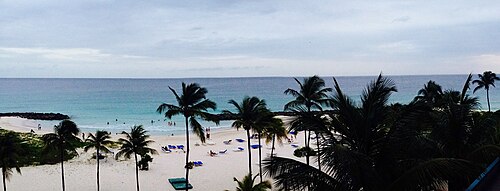
Carlisle Bay & Brownes Beach
A long arc of calm, clear water close to Bridgetown. Its shallow wreck trail, turtles and easy sand entry make it the island’s most versatile beach day.
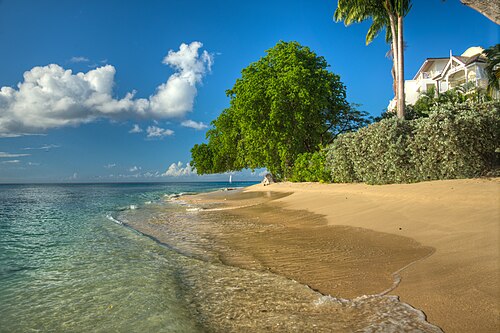
Paynes Bay
Silky west-coast sand, luminous water and frequent turtle-spotting boat trips. Public access reaches a beach backed by some of Barbados’s most exclusive hotels.
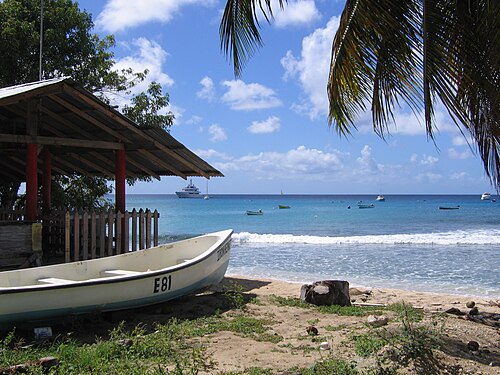
Mullins & Gibbes
Neighboring northwest beauties: Mullins has food and watersports, while Gibbes feels quieter. Both shine on settled days.
Rockley / Accra
A lively south-coast favorite with shade, food, facilities and a boardwalk nearby. A reef creates gentler pockets, but watch changing currents.
Miami / Enterprise Beach
A beloved local beach near Oistins. The western side is usually calmer for families; the exposed side can have stronger waves.
Crane Beach
A dramatic sweep of pale pink-white sand beneath cliffs. The Atlantic setting is spectacular, but swell and undertow can be powerful.
Bottom Bay
A near-perfect photograph of palms, cliffs and turquoise water. Treat it as a scenic stop more than a dependable swimming beach.
Bathsheba
Boulder-strewn and cinematic, with natural pools at low tide and world-class surf nearby. This is a place to admire the ocean, not casually swim it.
High seasonal risk; the west is the best fallback
Checked July 29, 2026
Barbados-specific monitoring indicates high risk during the current peak season. Windward beaches on the east, southeast and parts of the south—such as Bath, Long Bay, Silver Sands, Crane and Bottom Bay—are generally most exposed. Paynes Bay, Mullins, Gibbes, Alleynes Bay and much of Carlisle Bay often fare better, but no beach is guaranteed clear and conditions can change within hours.
The experiences that explain the island
Barbados’s most worthwhile tours.
The strongest outings reveal why the island feels different from its neighbors: coral-limestone landscapes, Atlantic power, deep rum history and a capital with far more substance than a cruise-day shopping stop.
West-coast catamaran
Cruise the calmer coast, snorkel above a Carlisle Bay wreck and look for turtles with an operator that gives wildlife space.
Rum heritage circuit
Compare Barbados’s rum traditions at Mount Gay, St. Nicholas Abbey or Foursquare.
Bathsheba & the wild east
Cross the central highlands to Bathsheba, then add Hackleton’s Cliff, a garden, coastal lunch or a quiet stretch of Cattlewash.
Harrison’s Cave
Explore the island’s crystallized limestone interior, then continue to Hunte’s Gardens or Welchman Hall Gully for a contrasting green afternoon.
Bridgetown & the Garrison
Walk the capital and its military district with a guide who can connect architecture, empire, slavery, trade and independence.
Oistins Fish Fry
Arrive before the biggest crowds for grilled fish, music and a distinctly Bajan evening; arrange the return ride before the rum punch begins negotiating.
Island food tour
Taste fish cakes, cutters, pudding and souse, seasonal fruit and other staples while learning how Bajan cooking developed.
Carlisle Bay dive or snorkel
Choose a guided dive or snorkel through the shallow wreck park, matching the outing to swimming ability, sea conditions and group size.
Surf lesson
Learn at a suitable south-coast break with a reputable school; experienced surfers can discuss Soup Bowl conditions and reef etiquette locally.
St. Nicholas Abbey
Combine the historic house, rum production and heritage railway for one of the island’s most complete estate visits.
On & under the water
Wreck trails, west-coast sails and serious surf.
Deep-sea fishing
Barbados has an established deep-sea fleet, with most trips leaving Bridgetown or the southwest coast. Crews troll for mahi-mahi, wahoo, tuna, kingfish, barracuda, sailfish and blue marlin. Deep water lies close enough for useful half-day trips, although a full day gives the captain more freedom to follow birds and current lines.
Best timing: Fishing is possible year-round; wahoo is associated with the cooler season, while mahi, tuna and billfish shift with bait and water conditions. The Atlantic can be choppy, especially during strong trade winds.
Scuba & snorkeling
Barbados combines accessible wrecks with coral reefs. Carlisle Bay’s shallow historic wreck trail is excellent for new divers and confident snorkelers. Coral condition is mixed and site-specific after heat stress, disease and storms; choose an operator that selects sites responsibly.
- Signature wreck: the SS Stavronikita, an advanced deep wreck off the west coast.
- Carlisle Bay: several shallow wrecks, including the Berwyn and Bajan Queen, with turtles and reef fish.
- Reef dives: Dottins, Barracuda Junction, Maycocks and other west- and south-coast sites.
- Animal life: hawksbill and green turtles, rays, seahorses, frogfish, morays, barracuda and tropical fish.
Sailing
Barbados is a rewarding offshore stop, but not a sheltered cruising archipelago. Carlisle Bay is the primary anchorage and settled west-coast conditions can open stops near Paynes Bay, Holetown or Speightstown. There are no meaningful outer islands for local cruising.
- Check in/out: the Barbados Port guide directs visiting yachts to complete arrival and departure clearance at the Port of Bridgetown.
- Bring: vessel papers, previous clearance and complete crew and passenger documents; verify fees and procedures before approach.
- Provisioning: Massy Stores, Jordans, Cost-U-Less and markets around Bridgetown, Holetown and Oistins are practical options.
- Conditions: Atlantic swell and trade winds can make anchorages rolly; a catamaran day sail is easier for most visitors than bareboat cruising.
Surfing & wind sports
Bathsheba’s Soup Bowl is the headline—a powerful, world-class reef break for experienced surfers. Freights can offer long, gentler lefts when it works, while Surfer’s Point and nearby south-coast breaks suit lessons with a reputable school. South Point and Brandons add options; Silver Sands is known for wind and kite sports. Reef, currents and shifting swell make local guidance essential.
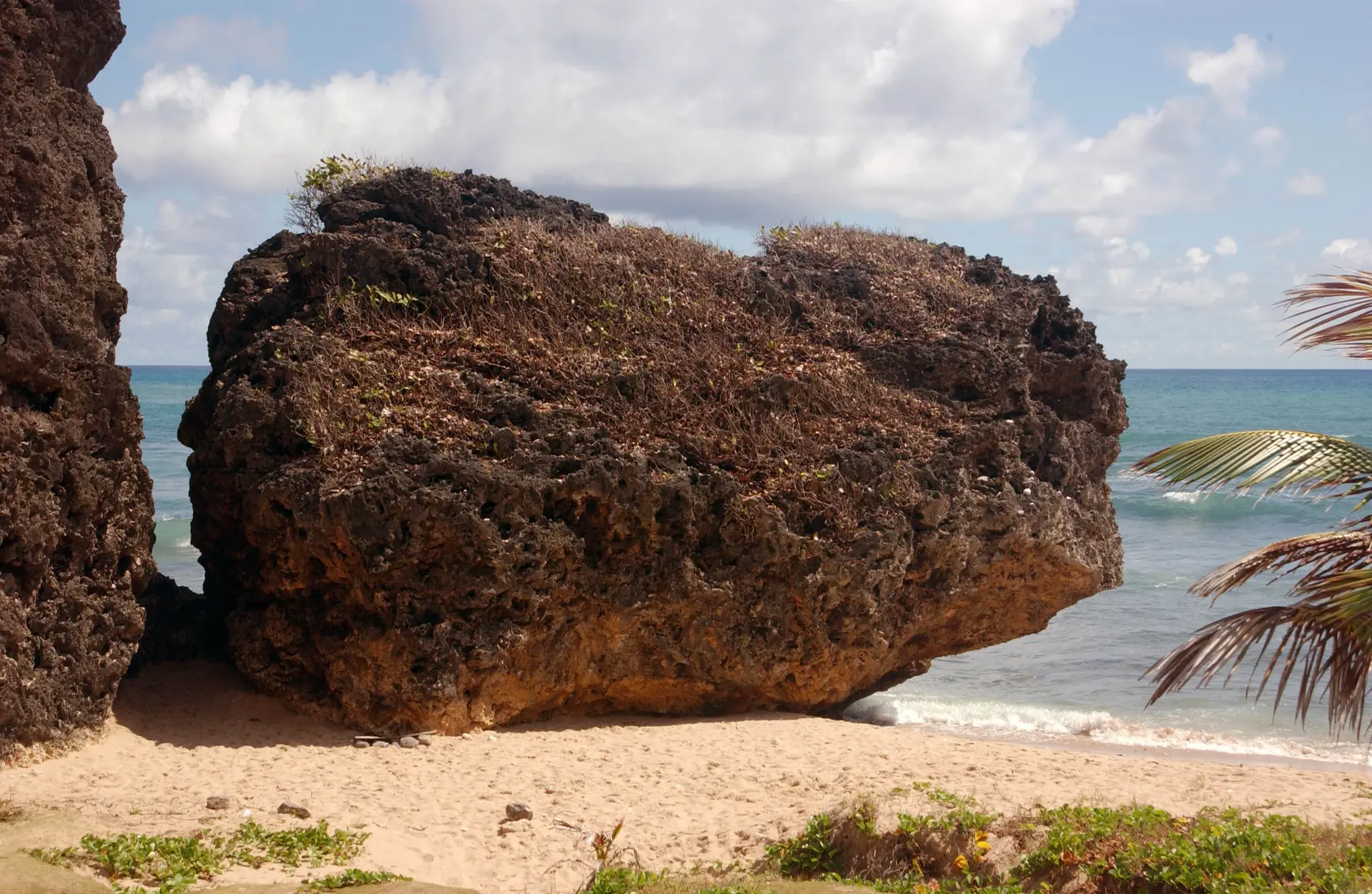
Bathsheba trades calm turquoise shallows for sculpted rock, trade wind and powerful surf—a different Barbados from the resort-lined west.
Jerry and Roy Klotz · Wikimedia Commons · CC BY-SA 3.0Culture & land
Rum shops, festival color and a limestone interior.
Culture
English is official and Bajan Creole shapes everyday conversation. African and British traditions meet in calypso, soca, spouge, tuk bands, cricket, village rum shops and a deeply rooted food culture. Crop Over culminates around late July and early August with music, costume and Grand Kadooment.
Hiking
Barbados is more coastal walk than mountain trek. Explore the old coastal railway route near Bathsheba, forest paths at Coco Hill, Hackleton’s Cliff, Welchman Hall Gully or a Barbados National Trust Sunday hike. Start early, carry water and use a guide on unfamiliar rural routes.
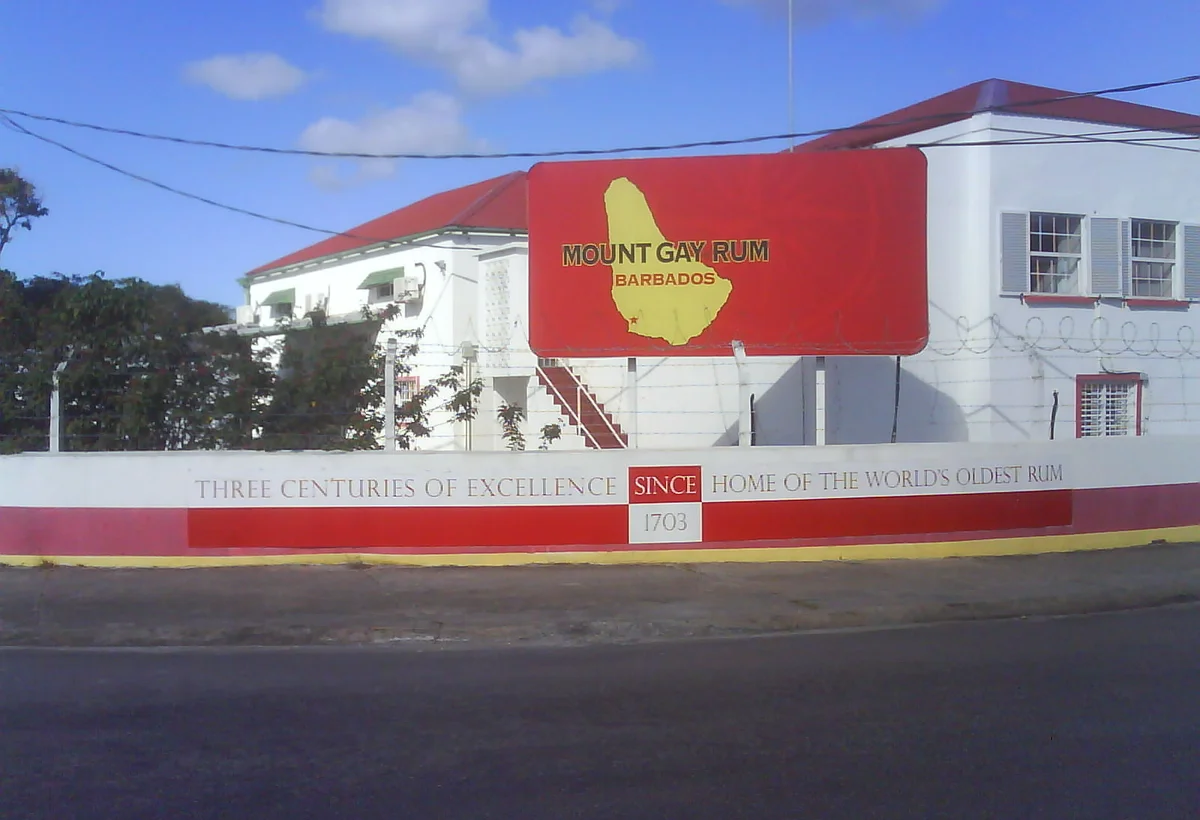
Barbados rewards comparison: Mount Gay, St. Nicholas Abbey and Foursquare each tell a different chapter of the island’s centuries-old distilling story.
CaribDigita · Wikimedia Commons · CC0 1.0 · croppedThe annual calendar
Three celebrations worth shaping a Barbados trip around.
Barbados moves from gospel stages in spring to its exuberant national festival in summer and an ambitious culinary showcase in fall. Dates can shift, so confirm the current schedule before locking in flights and nonrefundable hotels.
Usually May · Venues across Barbados
Barbados Gospelfest
Caribbean and international performers bring gospel music, dance and worship to a multi-event celebration with unmistakably Bajan energy.Mid-July–early August · Island-wide
Crop Over Festival
Calypso, soca, markets and parties build toward Foreday Morning and the vivid Grand Kadooment costume parade.Usually October or November · Barbados
Barbados Food and Rum Festival
Chef dinners, tastings and rum-led experiences showcase Bajan culinary talent alongside celebrated visiting chefs.Eat & sleep well
A Caribbean island that travels through flavor.
Barbados moves easily from a rum-shop lunch to one of the region’s most elegant dining rooms. Reserve west-coast destination restaurants well ahead in high season, and leave room for the unplanned fish cutter that becomes your favorite meal.
The Cliff, Tides, Lone Star, The Fish Pot or Champers
Cocktail Kitchen, Naru, Café Luna, Local & Co. or La Cabane
Cuz’s fish shack, Cutters, beach cafés and a Friday evening at Oistins Fish Fry
Flying fish, cou-cou, macaroni pie, fish cakes, pudding and souse, fresh breadfruit and a proper rum punch
Hotel shortlist
Serene & romantic
The Sandpiper, Cobblers Cove, Little Arches and Coral Reef Club pair intimacy with distinct settings.
Full-service luxury
Sandy Lane, Fairmont Royal Pavilion, The House and The Crane deliver very different versions of a polished stay.
Families & easygoing stays
Sea Breeze Beach House, Bougainvillea, Hilton Barbados and apartment-style options along the south coast offer flexibility.
Before you go
The practical details.
English is official; Bajan Creole is part of everyday life.
The Barbados dollar is fixed at roughly BDS$2 to US$1; U.S. dollars are widely accepted.
Cards are common. Carry small cash for buses, rum shops, markets and beach vendors.
North American plugs often fit, but voltage and frequency vary. Confirm with your property.
The official tourism authority states that Barbados tap water is safe to drink.
A visitor permit and valid license are generally required; roundabouts and narrow roads take focus.
Transportation
Public Transport Board buses, privately operated minibuses and lively ZR vans cover much of the island inexpensively. Taxis are useful but generally unmetered, so agree on the fare first. Rent a car for the east coast and hidden beaches; hotel transfers work well for a resort-centered stay.
Safety
Barbados currently carries a U.S. Level 1 “exercise normal precautions” advisory. Petty theft can occur, so secure valuables and avoid isolated beaches after dark. Rough Atlantic surf, strong sun, unfamiliar roads and hurricane disruption are meaningful visitor risks.
Health & vaccines
Keep routine vaccines current. CDC recommends hepatitis A and hepatitis B for many travelers and may recommend typhoid depending on your plans. Prevent mosquito bites because dengue and Zika can occur. Yellow-fever vaccination is not normally recommended for Barbados itself, but proof can be required after travel through certain risk countries. Review your itinerary with a clinician.
Entry rules, prices, health guidance, weather and sea conditions can change. Reconfirm details with official sources and your providers before booking or departing.
Research desk
Official sources & live checks
Ferry availability, entry rules, seasonal openings, health guidance and sea conditions can change. These are the best starting points for live confirmation.