Map & orientation
The channel connects the trip. Anegada changes its scale.
Tortola anchors the center; Jost Van Dyke sits to the west; Virgin Gorda and North Sound lie east; low-lying Anegada is the longer, more exposed move to the northeast.
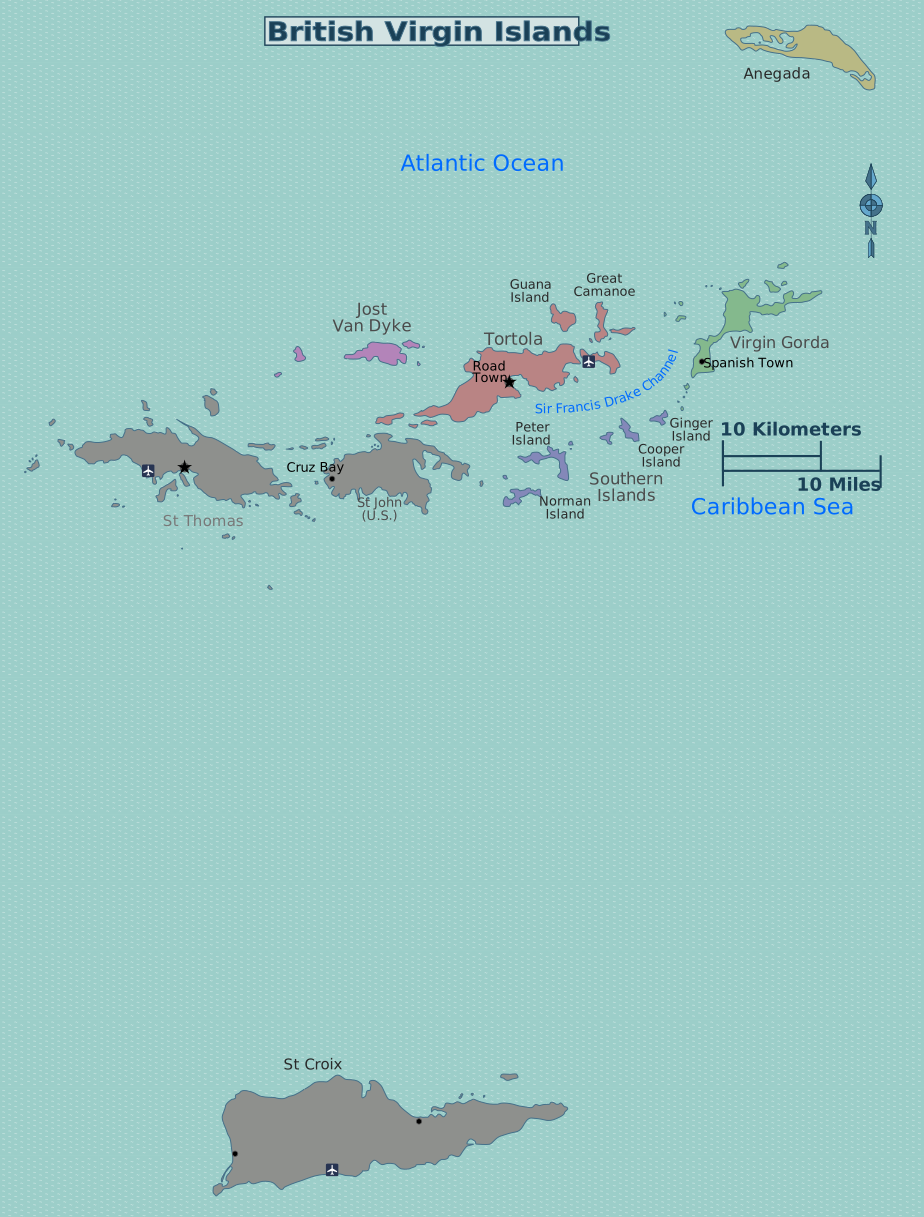
TortolaRoad Town · charter bases · airport access
Virgin GordaThe Baths · North Sound
Jost Van DykeWhite Bay · Great Harbour
AnegadaReef · beaches · lobster
Know the archipelago
The Caribbean’s natural sailing room.
The BVIs are not one island with a few side trips. They are a close-knit constellation: mountainous Tortola, sculpted Virgin Gorda, convivial Jost Van Dyke, flat Anegada and dozens of smaller islands that turn the channel ahead into the day’s itinerary.
A brief history
Indigenous peoples, including Taíno communities, lived in the wider Virgin Islands before European colonization. Dutch settlers established on Tortola in the 1600s; Britain took control in 1672 and later annexed Virgin Gorda and Anegada.
Sugar plantations depended on enslaved African labor until emancipation in 1834. The islands became a separate colony in 1960 and gained greater internal self-government in 1967. They remain a British Overseas Territory with a distinctly Caribbean identity.
What the BVIs are most known for
World-class line-of-sight sailing, sheltered anchorages, The Baths, White Bay, the RMS Rhone wreck, Anegada lobster, luxury private-island resorts and an irresistible rhythm of sail, swim, snorkel, supper, repeat.
Geography
More than 60 islands and cays sit east of Puerto Rico beside the U.S. Virgin Islands. Most are steep and volcanic; Anegada is a low coral-and-limestone exception. Sir Francis Drake Channel forms the protected central highway for sailors.
Plan your trip
Trades in winter. Space in shoulder season.
December–April
Drier days, dependable trade winds and the liveliest charter season. Book boats and moorings early.
May–July
Warmer, quieter and often excellent, with softer rates. Heat, showers and tropical-weather risk rise.
August–November
Peak storm risk and many seasonal closures, especially September and October. Flexible plans are essential.
Are the BVIs hurricane-safe?
No. The territory sits in the Atlantic hurricane belt and was devastated by Irma in 2017. Hurricane season runs June–November, with the greatest historical concern late summer into fall. Use refundable arrangements and real evacuation plans.
Arrivals & ferries
How to get to—and around—the BVIs.
Fly into Terrance B. Lettsome International Airport (EIS) on Beef Island, usually via San Juan or another regional gateway, or fly to St. Thomas (STT) and continue by taxi and public ferry. Do not pair a late STT arrival with the last ferry; schedules change and service runs primarily in daylight.
Fly to Beef Island
EIS is joined to Tortola by bridge and sits beside Trellis Bay. Taxis connect Road Town and the major charter bases; ferries link Trellis Bay and Virgin Gorda.
Fly to St. Thomas + ferry
From STT, taxi to Charlotte Amalie or Red Hook for service to Road Town or West End, Tortola. International arrivals clear BVI immigration and customs at the port.
St. Thomas ↔ Tortola
Scheduled public ferries serve Road Town and West End. Virgin Gorda has more limited direct St. Thomas service.
Tortola ↔ Virgin Gorda
Frequent service from Road Town, plus Trellis Bay connections useful for EIS arrivals.
Tortola ↔ Jost Van Dyke
New Horizon operates between West End and Great Harbour; same-day beach trips are practical.
Tortola ↔ Anegada
Service runs on selected weekdays and typically stops at Virgin Gorda. Plan around the timetable, not hope.
Choose your base
Where to stay in the BVIs
Best for first visits, ferries & choice
Tortola
The largest island has the airport connection, Road Town, most charter bases and the broadest restaurant and villa selection. Roads are steep and traffic gathers around Road Town.
- Nearby
- Cane Garden Bay, Smuggler’s Cove, Sage Mountain, Nanny Cay
- Consider
- Sugar Mill Hotel, Long Bay Beach Resort, Fort Recovery, villas around Belmont
Best for refined resorts & natural beauty
Virgin Gorda
The Baths and North Sound make Virgin Gorda the elegant land-based choice. It feels quieter than Tortola, but dining and transport are more dispersed.
- Nearby
- The Baths, Savannah Bay, Gorda Peak, North Sound
- Consider
- Rosewood Little Dix Bay, Bitter End Yacht Club, Leverick Bay, Oil Nut Bay
Best for barefoot beach-bar energy
Jost Van Dyke
Tiny, sociable and easygoing, Jost puts White Bay and Great Harbour at the center of the trip. Come for character.
- Nearby
- White Bay, Great Harbour, Little Harbour, Bubbly Pool
- Consider
- The Hideout, White Bay Villas, small inns and hillside villas
Best for solitude & empty beaches
Anegada
Flat, coral-built Anegada feels wonderfully remote. Lobster dinners, flamingos and long beaches reward the extra transfer; services and ferry frequency are limited.
- Nearby
- Loblolly Bay, Cow Wreck Beach, flamingo ponds, Horseshoe Reef
- Consider
- Anegada Beach Club, Anegada Reef Hotel, cottages and villas
Sand worth sailing for
The best beaches in the BVIs.
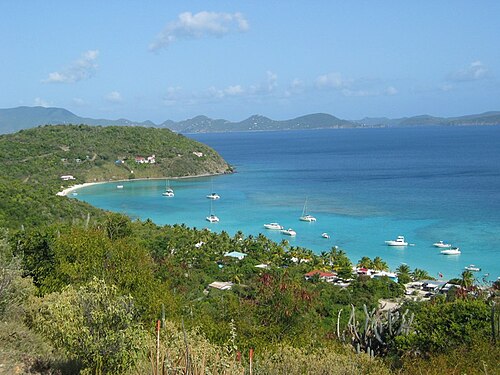
White Bay, Jost Van Dyke
Powdery sand, luminous water and famous beach bars. It is serene early and lively when boats and day-trippers arrive.
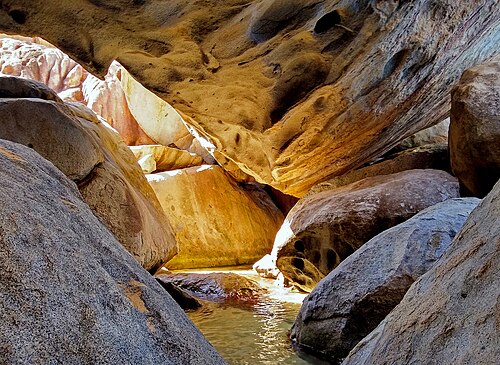
The Baths, Virgin Gorda
Granite boulders, sea pools and a trail to Devil’s Bay. Reserve park entry when required and arrive early.
Smuggler’s Cove, Tortola
A tucked-away western cove with clear swimming and a relaxed beach shack; the final road is rough.
Savannah Bay, Virgin Gorda
A long, pale crescent with fewer facilities and beautiful water. Swim only when conditions are calm.
Cane Garden Bay, Tortola
Easy swimming, restaurants and a broad sunset beach. Cruise and yacht traffic can transform the atmosphere.
Loblolly & Cow Wreck, Anegada
Miles of sand, shallow turquoise water and a castaway mood; reefs and wind can create chop.
Deadman’s Bay, Peter Island
A graceful palm-lined beach reached by boat or resort arrangement; confirm current visitor access.
Windward shores carry the greatest exposure.
Checked July 29, 2026
Regional trackers show substantial sargassum activity across the wider Caribbean in summer 2026, but satellite outlooks cannot promise the condition of one BVI beach. Windward shores—especially parts of Anegada and exposed eastern coasts—are generally more vulnerable; sheltered north and west coves can be clearer. Check recent local photos or your hotel the week you travel.
The experiences that define the archipelago
The BVIs’ most worthwhile tours.
The best excursions use boats and local knowledge to create access. Land-based visitors should prioritize one thoughtfully routed sailing day, while charter guests benefit most from diving, guided hiking and island-specific history.
The Baths before the crowds
Reserve park entry when required and arrive early enough to explore the boulder passages, Cathedral Room and trail to Devil’s Bay before the busiest ferry and cruise-excursion window.
Norman Island snorkel day
Pair the caves or the Indians with a quieter swim and lunch in the Bight. Choose the exact sites around swell, current and the confidence of the least experienced swimmer.
White Bay & Great Harbour
Reach Jost by public ferry, shared boat or private charter, then divide the day between White Bay’s luminous water and Great Harbour’s village and beach-bar history.
Anegada beach and lobster day
Taxi between Loblolly Bay and Cow Wreck, stop near the flamingo ponds and pre-order a lobster lunch. Ferry schedules make an overnight more resilient than a hurried day trip.
RMS Rhone dive
Dive the territory’s signature wreck with an operator that matches the profile to certification, sea state and recent visibility. Non-divers can join a separate snorkel or island program.
Sage Mountain hike
Walk the high forest early with water and sturdy shoes. A guide adds ecology and local history, especially when clouds obscure the larger-island views.
North Sound by boat
Link Bitter End, Saba Rock, Prickly Pear and a protected swim without forcing every stop into one afternoon. Confirm which facilities and beaches currently welcome day visitors.
Cooper Island slow afternoon
Combine Manchioneel Bay snorkeling with lunch or an early dinner. Mooring demand and afternoon conditions make advance planning useful even for a seemingly simple stop.
Tortola island tour
Use a local driver for Road Town, Ridge Road, Sage Mountain viewpoints, Cane Garden Bay and the western coves. The narration is worth more than wrestling a rental car around steep blind corners.
Private sailing day
Choose a genuine sailing itinerary around wind and sea state. Ask how much of the day will be spent under sail, at anchor and in customs if borders are crossed.
On & under the water
The boat is not an excursion. It is the best address.
Deep-sea fishing
The BVI is better known for sailing, but Tortola and Virgin Gorda also provide access to the North Drop and deep Atlantic grounds. Full-day boats pursue blue marlin, tuna, wahoo and mahi-mahi; shorter trips may stay closer to reef edges and target smaller pelagics.
Best timing: Blue-marlin attention rises through the warmer months, while wahoo is a winter favorite and mahi often improves in spring. A true North Drop trip deserves more time and a more capable boat than a casual two-hour fishing add-on.
Sailing the BVIs
Compare charter styles and bases, understand moorings and entry formalities, choose anchorages, provision intelligently and build realistic seven- or ten-day routes.
Scuba & snorkeling
The RMS Rhone is the signature wreck; the Indians, Norman Island caves, Cooper Island and Anegada’s reef add variety. Turtles, rays, tarpon and reef fish are common. Reefs have faced hurricanes, heat stress and disease, so condition varies—choose conservation-minded operators and never anchor on coral.
Surfing
Winter north swells can light up Apple Bay, Cane Garden Bay and Josiah’s Bay on Tortola. This is not a dependable beginner surf destination: breaks can be shallow, localized and inconsistent. Ask locally and respect the lineup.
Day sails & powerboats
Non-sailors can still reach Norman Island, Jost Van Dyke, Virgin Gorda and smaller cays by shared day sail, private boat or water taxi. Confirm whether customs fees are included if the itinerary crosses into the USVI.
Culture, trails & excursions
Come ashore slowly.
Culture
Afro-Caribbean heritage shapes local food, music, storytelling and the annual Emancipation Festival. Fungi music—banjo, percussion and improvised instruments—carries the islands’ history. Road Town’s markets and small museums offer more context than a beach-bar crawl alone.
Hiking
Walk rainforest trails in Sage Mountain National Park, climb Gorda Peak for island views, follow the Baths trail to Devil’s Bay, or hike from Diamond Cay to Jost’s Bubbly Pool. Heat and sparse signage reward an early start, water and sturdy shoes.
The annual calendar
Two events worth shaping a BVI trip around.
One celebrates why the BVI is called the Sailing Capital of the World; the other closes the year with one of the Caribbean’s most famous yacht-party traditions. Reserve boats and lodging unusually early for either.
Usually March · Nanny Cay & BVI waters
BVI Spring Regatta & Sailing Festival
International race boats, bareboat fleets, island courses and waterfront celebrations combine during one of the Caribbean’s premier regattas.December 31 · Great Harbour, Jost Van Dyke
Foxy’s Old Year’s Night
Live music, costumes, food and a harbor full of visiting boats create a legendary Caribbean New Year’s Eve celebration.Restaurants & hotels
From barefoot lobster to private-island polish.
Brandywine Estate, Dove, Sugar Mill, Indigo Beach House, Omar’s and island roti shops
CocoMaya, Hog Heaven, Saba Rock, Bitter End and resort dining at Little Dix Bay
Hendo’s Hideout, Soggy Dollar, Foxy’s, Corsairs and Little Harbour lobster dinners
Anegada Reef Hotel, Wonky Dog, Lobster Trap, Cow Wreck and Big Bamboo
Anegada lobster, fish and fungi, roti, peas and rice, johnnycakes and a properly measured Painkiller
Hotel strategy
Match the stay to the transfer.
For one week, use one island plus day trips or split Tortola and Virgin Gorda. Adding Jost or Anegada creates real transfer time. Private-island resorts deliver polish and seclusion; villas deliver views and space but usually require a confident driver.
Book with hurricane terms in writing.
Ask exactly what happens if flights operate but ferries stop, a named storm threatens, or an island transfer is cancelled.
Practical details
The useful things to know before you go.
The official and everyday language. Caribbean dialect and local expressions are part of the islands’ character.
The U.S. dollar is the official currency throughout the British Virgin Islands.
Cards are common at hotels, marinas and restaurants; carry cash for taxis, ferries, tips and small beach bars.
U.S.-style plugs are standard. Boats may require 12V or USB adapters when away from shore power.
Desalinated or cistern water may be treated, but quality varies by property and vessel. Bottled water is a safe fallback.
Steep, narrow roads make a 4WD useful. Taxis are easier for short stays and ferry transfers.
Cash & cards
Hotels, marinas, charter bases and larger restaurants commonly accept major cards. Carry U.S. dollars for taxis, ferries, tips, small beach bars and the occasional connection outage. ATMs are easiest around Road Town and larger settlements.
Transportation
Taxis quote by zone or route. Ferries are the practical inter-island network. Rental cars work well on Tortola and Virgin Gorda; confirm ferry permission before moving one between islands.
Safety
The U.S. advisory is Level 1 as of May 22, 2026. Use normal precautions, secure valuables, avoid isolated beaches after dark and treat road and marine conditions as the larger everyday risks.
Health & vaccines
Be current on routine vaccinations and review CDC guidance. Mosquito protection matters. Medical capability is limited for major trauma; travel and evacuation insurance are sensible, especially on boats.
Ferry schedules, park reservations, port hours, restaurant openings and marine rules change. Use the linked official sources and reconfirm time-sensitive details directly before travel.
Research desk
Official sources & live checks
Ferry schedules, park reservations, port procedures and marine conditions change. These are the strongest starting points for a final date-specific check.