Find your bearings
One country, stretched across brilliant banks.
More than 40 islands and cays arc from Providenciales to Grand Turk; only eight are inhabited. Providenciales is the tourism hub, while the islands beyond it are distinct journeys.
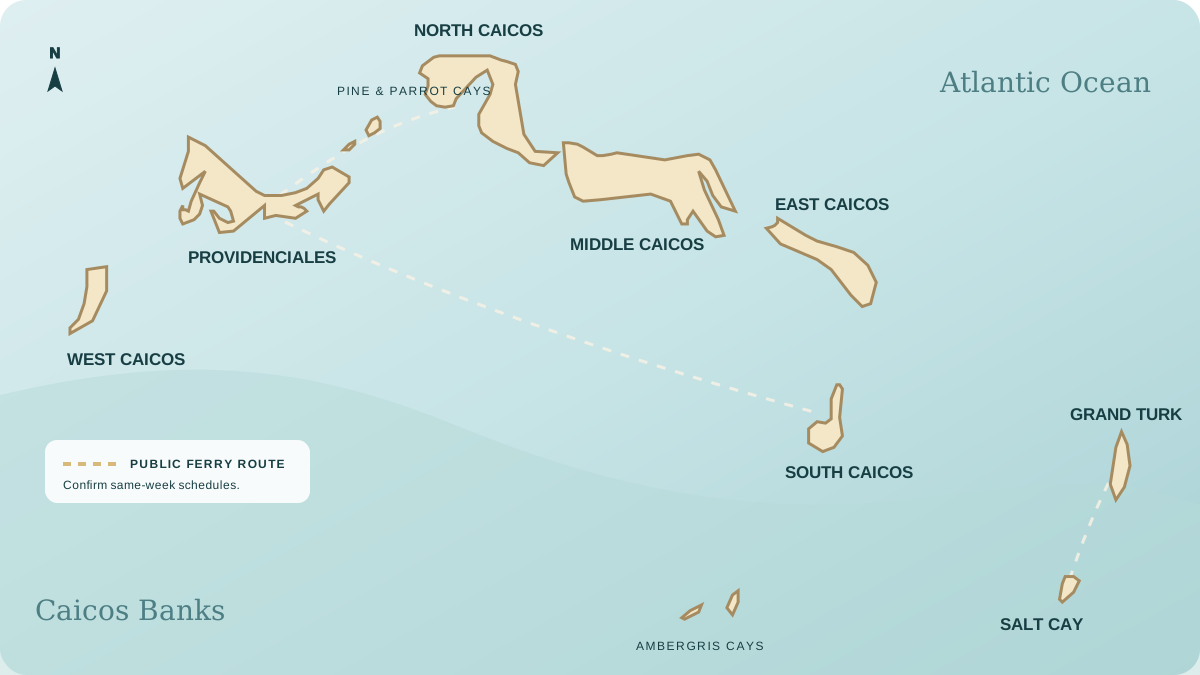
Grace Bay, the main international airport, most hotels, restaurants and excursion departures.
Linked by causeway and reached from Providenciales by public passenger ferry.
Wall diving, old salt ponds and whale-season access, reached primarily by domestic air.
Know the islands
Grace Bay is the invitation.
Turks and Caicos is famous for powder-white beaches and water that seems lit from below. Beyond its manicured resort coast lie salt-raking towns, limestone caves, working fishing communities, quiet cays and some of the region’s most dramatic walls.
A brief history
Lucayan Taíno communities were the first known inhabitants. European arrival, enslavement and disease emptied the islands of their Indigenous population by the early 1500s. Bermudians later established a salt industry on Grand Turk and Salt Cay; Loyalist planters built cotton estates on the Caicos Islands using enslaved African labor.
Salt, fishing, conch and seafaring shaped everyday life long after emancipation. Administered at different times through the Bahamas and Jamaica, Turks and Caicos became a separate British colony in 1962 and remains a self-governing British Overseas Territory.
What it is most known for
Grace Bay, luminous turquoise banks, luxury villas, exceptional wall diving, conch, shallow flats, rock iguanas, whale season around Grand Turk and Salt Cay, and a beach-first rhythm that can be as social or secluded as you choose.
Geography
The low limestone islands sit southeast of the Bahamas on two submerged plateaus: the Caicos Bank and the Turks Bank. Reefs protect many western shores, while Atlantic-facing coasts receive more wind, waves and seasonal seaweed.
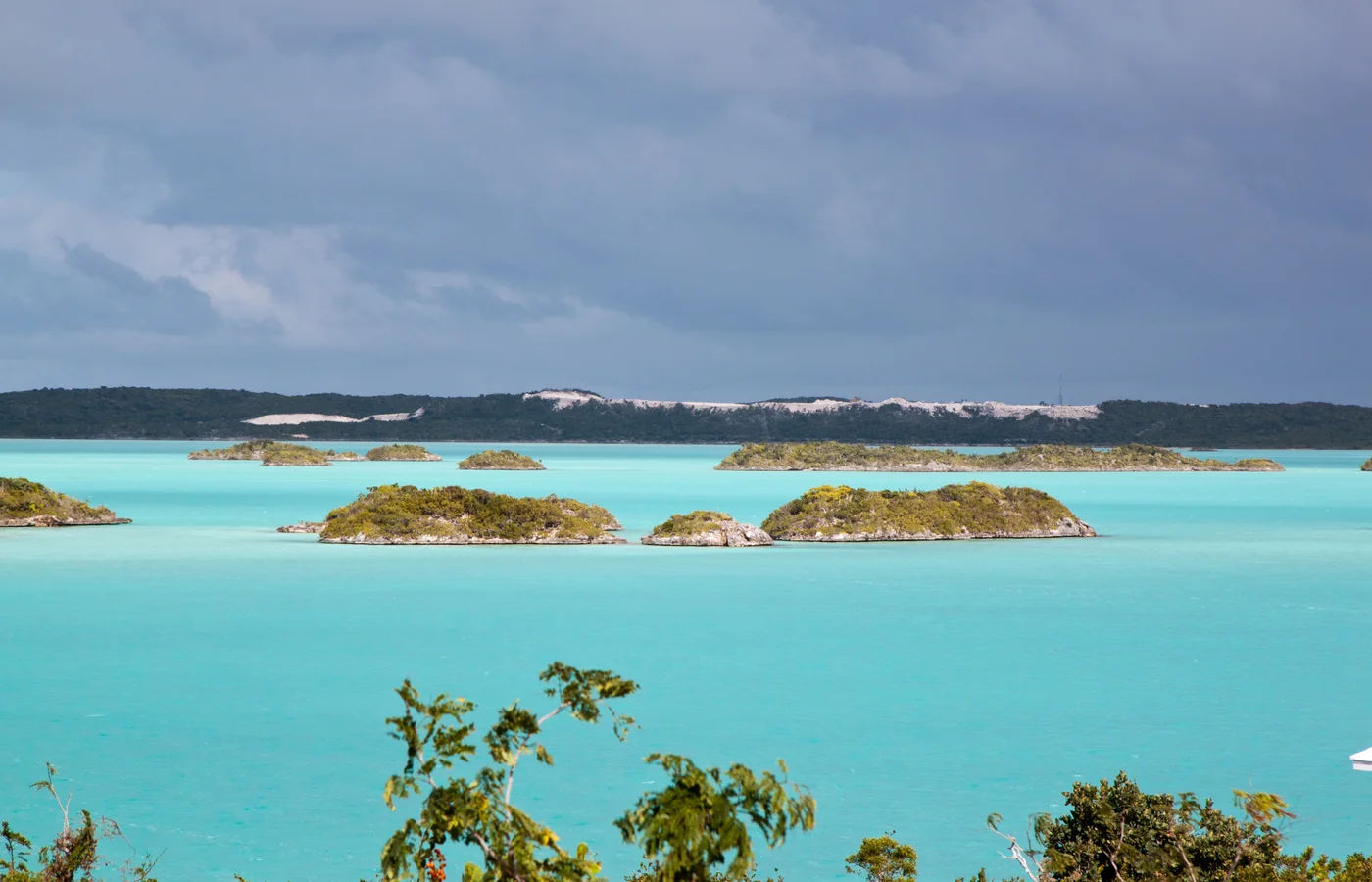
The protected turquoise lagoon is dotted with tiny limestone islands. See it from the overlooks, glide quietly by kayak or paddleboard, and avoid anchoring or disturbing wildlife inside the national park.
Tim Sackton · Wikimedia Commons · CC BY-SA 2.0 · croppedPlan your trip
Bright winter days. Warm, quieter shoulders.
December–April
Drier weather, comfortable evenings and generally calm seas. February through April often deliver the strongest overall conditions; reserve early for winter and holiday stays.
May–July
Warm water, fewer visitors and lower rates between showers. Humidity and sargassum exposure rise, and hurricane-season planning becomes important.
August–October
The hottest and most storm-sensitive stretch brings the greatest chance of disrupted travel and seasonal hotel or restaurant closures. Flexible plans are essential.
November
Rain and storm risk gradually ease while seasonal businesses reopen. Late November can feel calmer before festive-season demand arrives.
Are Turks and Caicos hurricane-safe?
No. The Atlantic hurricane season runs June 1–November 30, with the greatest historical threat in late summer and early autumn. Choose flexible reservations, storm coverage and a plan for flight disruptions; do not treat a sunny forecast weeks ahead as meaningful protection.
Arrivals & island connections
How to get there—and what the ferries actually connect.
Providenciales International Airport (PLS) is the main international gateway. Grand Turk (GDT), South Caicos (XSC) and Salt Cay (SLX) rely mainly on domestic flights. Public ferries connect a few specific pairs; there is no continuous passenger-ferry chain through the entire country.
Fly into Providenciales
PLS receives nonstop service from several North American gateways plus regional connections. Grace Bay is roughly 15–20 minutes away outside peak traffic. Taxis charge by zone and rental cars are useful for exploring beyond the resort strip.
Prearrange a transfer during busy holiday weeks and do not build a tight domestic connection after immigration.
Providenciales → North Caicos
Passenger boats run from Heaving Down Rock on Provo to Bellefield Landing on North Caicos several times most days. North and Middle Caicos are joined by causeway. Reserve a rental car on North Caicos before travel; vehicles do not board this ferry.
Providenciales → South Caicos
A scheduled passenger ferry generally runs on most days, but its morning departure from South Caicos and afternoon return from Provo make it impractical as a casual Provo day trip. In 2026, published fares were about $80 one way or $130 return.
Grand Turk → Salt Cay
A small community ferry typically links Grand Turk and Salt Cay on selected weekdays, often coordinating with domestic flights. Weather and demand can change operations. Grand Turk itself is about 70 miles from Provo and has no public ferry from Provo.
Choose your base
Where to stay in Turks and Caicos
Most first trips belong on Providenciales. The decisive question is whether you want walkable resort ease, a private villa with a car, or a two-island itinerary that trades restaurant choice for space.
Best for first trips, luxury & effortless beach days
Grace Bay · Providenciales
The easiest base in the country: a luminous beach, the broadest hotel choice, restaurants within reach and simple pickups for boat days. It is polished and convenient, but also the busiest and most expensive area.
- Nearby
- Grace Bay Beach, Bight Reef, golf, dining & marinas
- Consider
- Point Grace, Grace Bay Club, Seven Stars, The Palms, The Ritz-Carlton & Wymara
Best for snorkeling, dining choice & better value
The Bight & Turtle Cove · Providenciales
A practical west-central base near Bight Reef, Smith’s Reef and Turtle Cove Marina. Condos and smaller hotels can stretch the budget farther, though not every property sits on the island’s widest beach.
- Nearby
- Bight Reef, Smith’s Reef, Turtle Cove & Fish Fry
- Consider
- Windsong, Coral Gardens, The Sands, West Bay Club & Ocean Club West
Best for villas, privacy, kiteboarding & quiet luxury
Leeward & Long Bay · Providenciales
Leeward has serene channels, beaches and high-end villas; breezier Long Bay has shallow water and the island’s kite scene. A car is useful, and Long Bay is more exposed to wind and seasonal sargassum.
- Nearby
- Leeward Beach, Long Bay, Blue Haven Marina & Mangrove Cay
- Consider
- The Shore Club, Blue Haven, H2O, Beach Enclave & private villas
Best for villa seclusion, shallow coves & sunsets
Chalk Sound & the south coast · Providenciales
Taylor Bay, Sapodilla Bay and Chalk Sound feel residential and private. Choose this side for a house and a car; dinner runs and excursions require planning.
- Nearby
- Chalk Sound, Taylor Bay, Sapodilla Bay & Turtle Tail
- Consider
- Villas around Chalk Sound, Silly Creek, Turtle Tail and Sapodilla Bay
Best for nature, history & an unhurried road trip
North & Middle Caicos
The public ferry reaches North Caicos, which is joined to Middle Caicos by causeway. Empty beaches, caves, plantation ruins and the Crossing Place Trail reward self-sufficient travelers. Reserve a car before boarding.
- Nearby
- Mudjin Harbour, Conch Bar Caves, Wade’s Green & Bambarra
- Consider
- Dragon Cay Resort, Pelican Beach Hotel, Hollywood Beach Suites & villas
Best for diving, heritage & genuine remoteness
Grand Turk, Salt Cay & South Caicos
Grand Turk combines a dramatic wall with historic Cockburn Town; tiny Salt Cay is especially compelling during whale season. South Caicos offers bonefish flats, diving and a newly elevated resort scene. These are separate stays reached mainly by air.
- Nearby
- Grand Turk Wall, Gibbs Cay, salt salinas & South Caicos reefs
- Consider
- The Osprey, Bohio, Salterra, Sailrock, small inns & dive lodges
Beaches worth building a day around
White sand, with very different personalities.
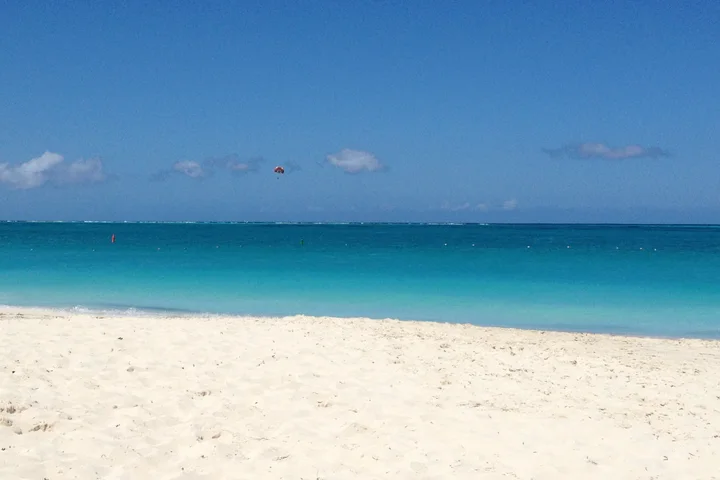
Grace Bay Beach
Just over three miles of pale sand and clear, usually gentle water behind a barrier reef. Central sections have full resort service; the eastern and western ends feel quieter.
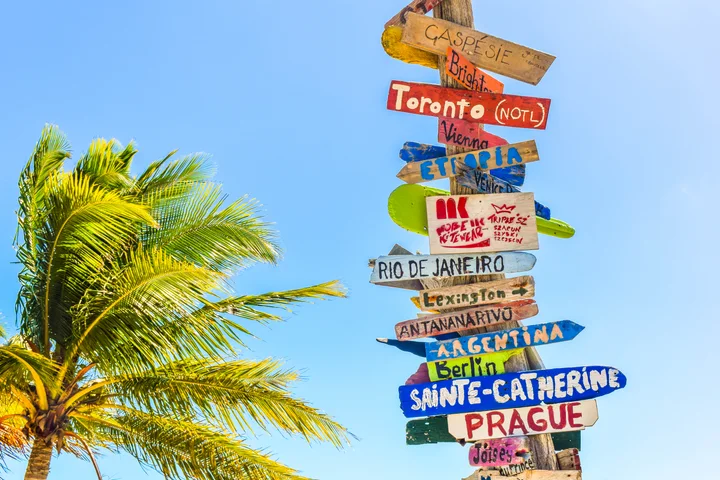
Long Bay Beach
Warm, waist-deep water can extend far offshore, making this the signature kiteboarding coast. The trade-off is stronger wind and greater exposure to sargassum.
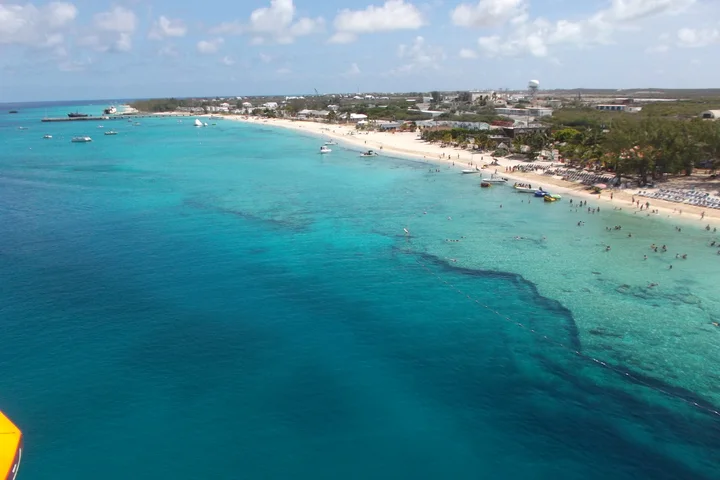
Governor’s Beach · Grand Turk
Powdery sand and vivid water just west of the cruise center. Visit outside the middle of a busy ship day for a far calmer experience.
Leeward Beach
A serene continuation east of Grace Bay with bright water, villa-lined stretches and less foot traffic. Public access exists, but parking is limited.
Taylor Bay
A sheltered south-coast crescent with exceptionally shallow water. Ideal for a quiet float; bring what you need because facilities are minimal.
Mudjin Harbour · Middle Caicos
The country’s most dramatic shore: cliffs, Dragon Cay and a wild Atlantic arc. Admire rough conditions from land.
Half Moon Bay & Water Cay
A boat-day favorite between Providenciales and North Caicos, with sandbars, clear shallows and rock iguanas on protected Little Water Cay.
North Bay · Salt Cay
A long, uncrowded beach with clear water and a feeling of being deliciously far from everything. Services are extremely limited.
Protected beaches are often the safer bet.
Reviewed July 27, 2026 · latest local report June 2026
Regional levels were high in the latest local update, yet Grace Bay, Leeward, Sapodilla, Taylor and much of the Bight remained clear. Exposed coasts—including Long Bay, Cooper Jack and Five Cays—can receive heavier arrivals. Conditions change with wind and current, so ask for a same-week beach photo before choosing a stay.
Most popular tours
The experiences worth leaving the lounger for.
Choose one signature water day, then use a ferry, rental car or domestic flight to see a side of the country beyond the Grace Bay resort coast.
Mangrove Cay by kayak
Paddle shallow channels for juvenile turtles, lemon sharks, rays and birds with a low-impact guide.
Half Moon Bay & Water Cay
Combine sandbars, a quiet beach and the protected rock iguanas of Little Water Cay on a half- or full-day boat.
North & Middle Caicos
Reserve a car, then link Wade’s Green, Conch Bar Caves, Bambarra and Mudjin Harbour without racing the last ferry.
Chalk Sound paddle
Explore the luminous lagoon by kayak or paddleboard, keeping a respectful distance from iguanas and other wildlife.
Grand Turk & Gibbs Cay
Pair a wall dive or snorkel with the historic capital and a carefully managed shallow-water wildlife stop.
Humpback whale search
Licensed trips from Grand Turk and Salt Cay look for migrating humpbacks. Encounters depend entirely on the animals and conditions.
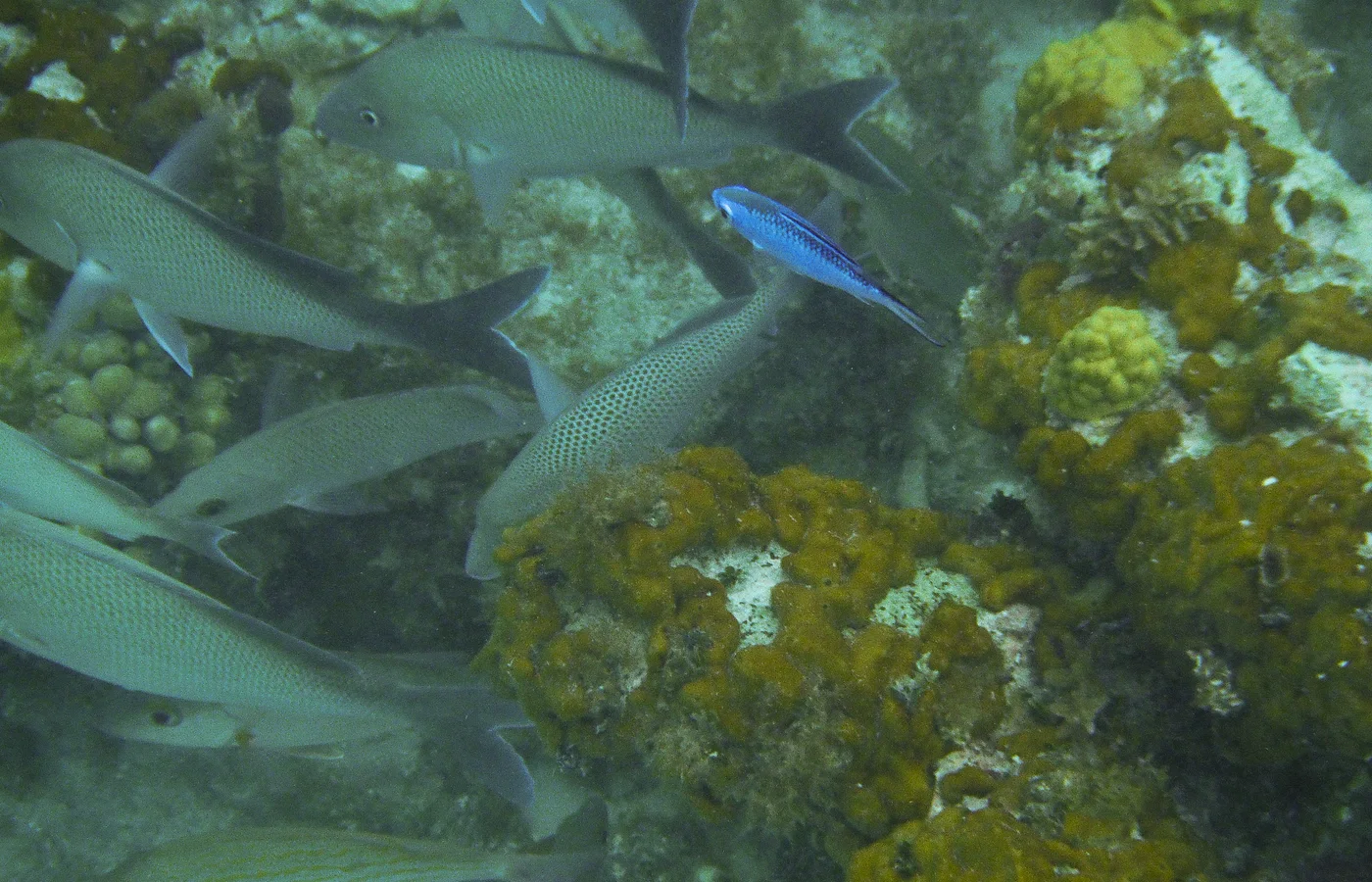
Reef fish, turtles, rays and wall drop-offs make the country compelling from a mask or a dive boat. Heat stress and storm damage affect Caribbean coral, so choose operators that brief buoyancy, prohibit touching and use established moorings.
Tim Sackton · Wikimedia Commons · CC BY-SA 2.0 · croppedOn & under the water
A beach destination with serious depth.
Deep-sea fishing
Turks and Caicos has excellent deep-sea geography: the shallow banks fall abruptly into Atlantic water more than a thousand meters deep. Charters from Providenciales, Grand Turk and Salt Cay pursue yellowfin or blackfin tuna, mahi-mahi, wahoo, barracuda, sailfish and blue or white marlin.
Best timing: Wahoo is commonly strongest in winter, mahi and tuna in spring, with billfish possible in warmer periods. A fishing license is required and is usually arranged by the charter; verify that it is included before leaving the dock.
Scuba diving
Providenciales offers Grace Bay spur-and-groove reef, Northwest Point walls and West Caicos drop-offs. French Cay is known for healthy-looking coral structure, schooling fish and reef sharks. Grand Turk, Salt Cay and South Caicos put divers close to steep walls with less boat traffic.
Snorkeling
Smith’s Reef has the richest easy shore snorkeling on Providenciales, while Bight Reef is the simplest beginner entry. Malcolm’s Road and Northwest Point can be excellent when calm but are remote, current-sensitive and without reliable services.
Sailing & boating
Day charters work beautifully around the Caicos Cays. Longer private itineraries require careful navigation: broad banks hide coral heads and approaches can be shallow. Marinas include Blue Haven, South Bank and Turtle Cove on Providenciales.
Visiting yachts should submit SailClear information at least 24 hours before arrival and departure, then clear at an official port of entry. Crew remain aboard until clearance is complete. Use current charts, call the marina ahead and consider a local pilot; this is not casual line-of-sight cruising.
Surfing & kiteboarding
Turks and Caicos is not a consistent surfing destination. Larger north swell can wake up Northwest Point, Malcolm’s Road and Flamingo Creek, but reefs, currents and remoteness make local guidance essential. Long Bay is far more dependable for kiteboarding thanks to shallow water and steady trade winds.
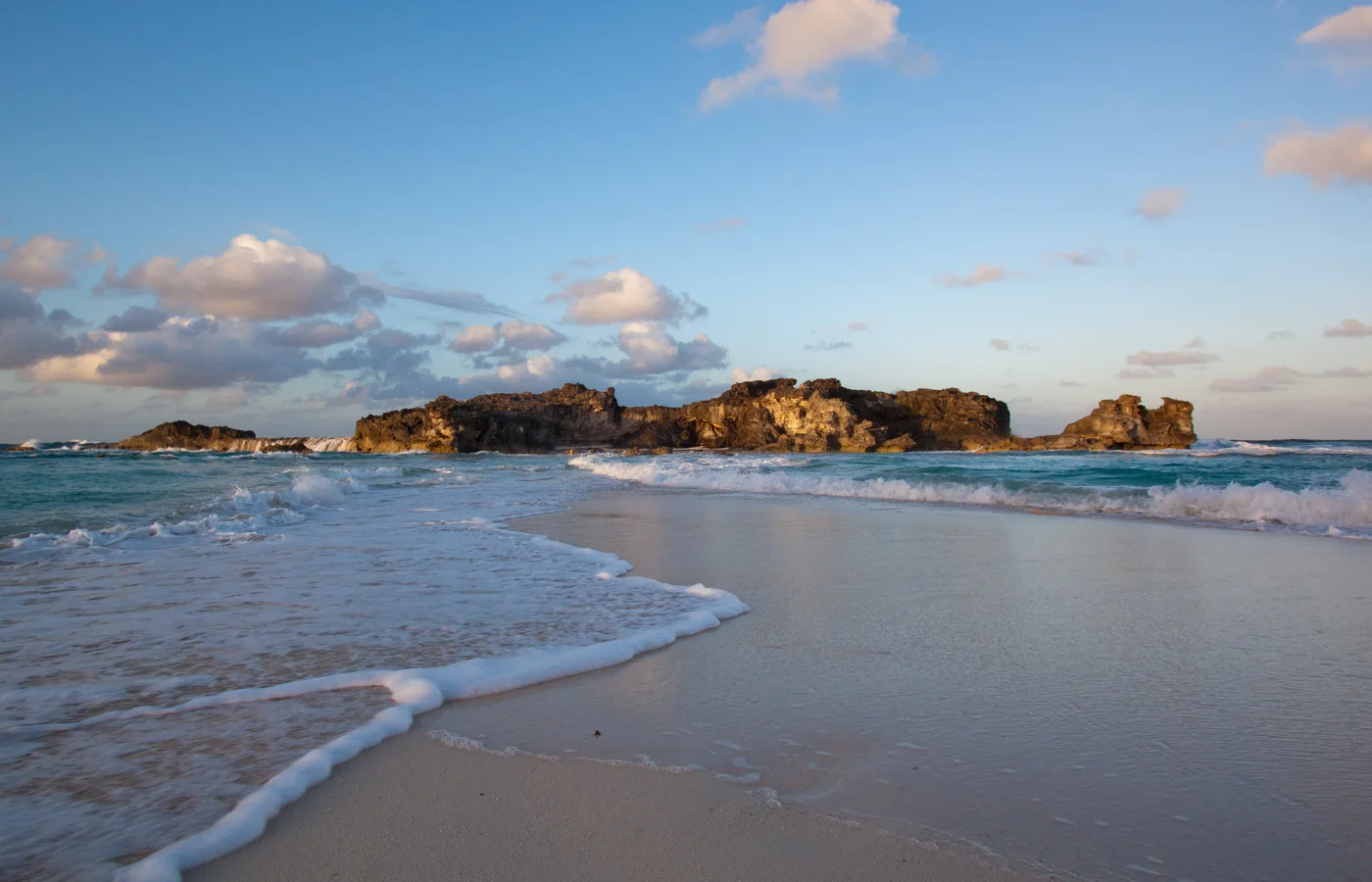
Mudjin Harbour’s cliffs, caves and offshore Dragon Cay are a compelling counterpoint to Grace Bay. Drive from North Caicos after the ferry, allow time for the causeway, and treat rough Atlantic water with respect.
Tim Sackton · Wikimedia Commons · CC BY-SA 2.0 · croppedCulture, trails & heritage
Salt ponds, sloops, caves and a trail above the sea.
Culture
African, Bermudian, Bahamian and British histories meet in a culture shaped by salt, fishing and migration. Listen for rake-and-scrape or ripsaw music; seek out conch salad, cracked conch, peas and rice, boiled fish and locally made straw work. Grand Turk and Salt Cay preserve the clearest physical traces of the salt era.
Hiking
Middle Caicos’ Crossing Place Trail follows old coastal routes above limestone cliffs and coves. Sections can take one to five hours and may be exposed, overgrown or close to drop-offs. Carry far more water than seems elegant, wear proper shoes and start early.
Wade’s Green
Walk the ruins of a Loyalist cotton plantation while confronting the enslaved labor that sustained it.
Conch Bar Caves
Visit the Caribbean’s largest above-ground cave system with an authorized guide; reserve ahead.
Cockburn Town
Explore Bermudian-style buildings, the national museum and salt-era streets beyond the cruise center.
The annual calendar
Fine dining in fall. Junkanoo energy on Boxing Day.
These two events capture very different sides of Providenciales: refined resort dining in autumn and a free street celebration that brings Grace Bay Road to life after Christmas.
Usually October or November · Providenciales
Caribbean Food & Wine Festival
Visiting chefs and wine experts join leading resorts and restaurants for tastings, pairings, multi-course dinners and culinary events.December 26 · Grace Bay Road
Maskanoo
Boxing Day brings live music, food, crafts, costumes, fireworks and a parade blending masquerade with Bahamian-style Junkanoo traditions.Eat & sleep well
Refined evenings, with conch still at the center.
Grace’s Cottage, Infiniti, Marine Room, Provence, Indigo and BLT Steak
Coco Bistro, Almond Tree, The Farm, Sui-Ren and Vita at Rock House
Da Conch Shack, Omar’s, Bugaloo’s, Chinson’s and Thursday’s Island Fish Fry
Las Brisas for Chalk Sound views, or a North/Middle Caicos lunch confirmed before the ferry
Conch salad, cracked conch, grilled lobster in season, peas and rice, johnnycake and rum punch
Hotel strategy
Pay for the beach you will actually use.
Grace Bay commands a premium because it pairs dependable swimming with dining and excursion ease. Villas elsewhere can deliver more privacy and space, but price in a rental car, groceries and dinner transport before calling them better value.
Private cays are their own trip.
Pine Cay, Parrot Cay and Ambergris Cay offer remarkable seclusion. Transfers, meal plans and limited off-property dining shape the experience, so compare the entire stay.
Practical details
The useful things to know before you go.
The official and everyday language. Haitian Creole and Spanish are also widely heard.
The U.S. dollar is the official currency. ATMs are easiest to find on Providenciales and Grand Turk.
Carry cash for taxis, ferries, tips and small businesses on less-developed islands.
U.S.-style plugs are standard. Most North American devices need no adapter.
Desalinated supply is treated, but taste and private cistern systems vary. Many visitors prefer filtered or bottled water.
Rental cars are useful on Provo and essential on North/Middle. Watch traffic circles and roadside shoulders.
Transportation
There is no public bus system. Use taxis, rental cars and prearranged transfers. On Provo, taxis can be expensive; confirm the fare before departure. Domestic flights are the practical link to Grand Turk, Salt Cay and often South Caicos.
Safety
The U.S. advisory is Level 2 as of July 7, 2026 due to crime, most of it on Providenciales. Use registered transport, avoid isolated areas after dark and secure valuables. Firearm and ammunition laws are extremely strict—even a loose round can bring severe penalties.
Health & vaccines
Be current on routine vaccinations. CDC recommends hepatitis A for unvaccinated travelers and hepatitis B for unvaccinated visitors of all ages. Prevent mosquito bites and carry evacuation coverage outside Providenciales.
Ferry schedules, flight times, restaurant openings, marine conditions and health requirements change. Use the official links below and verify time-sensitive details directly.
Research desk
Official sources & live checks
Open these before booking transport, entering by yacht or choosing a beach during sargassum season.