Find your bearings
Close enough to combine. Different enough to split your nights.
St. Thomas holds the airport, cruise harbor, major marinas and broadest hotel inventory. St. John has no airport and protects most of its land inside Virgin Islands National Park. The Red Hook–Cruz Bay ferry is the hinge that lets one trip enjoy both.
Fly into St. Thomas, then use the Red Hook–Cruz Bay ferry to connect the islands. The crossing is short; the steep roads on either side are what shape your transfer time.
Know the islands
St. Thomas gives the trip energy. St. John gives it space.
Treating St. John as only a day trip misses its early mornings, trail network and quiet evenings. Treating St. Thomas as only an airport misses one of the Caribbean’s great natural harbors, a layered town and the best logistics for boating. A four-plus-four-night split is the strongest first itinerary.
A brief history
Indigenous communities lived throughout the Virgin Islands long before European colonization. Denmark established control over St. Thomas and St. John in the late seventeenth and early eighteenth centuries. Plantation wealth and Charlotte Amalie’s free port were built through the enslavement of Africans and their descendants; the 1733 uprising on St. John was one of the Caribbean’s earliest sustained revolts against slavery.
Denmark emancipated enslaved people in 1848 after rebellion on St. Croix. The United States purchased the Danish West Indies in 1917, and residents became U.S. citizens in 1927. Tourism, migration, hurricanes and the creation of Virgin Islands National Park in 1956 reshaped the modern islands.
What they are most known for
St. Thomas: Charlotte Amalie, Magens Bay, cruise traffic, duty-free shopping, marinas and island-hopping. St. John: Trunk Bay, protected coves, hiking, shore snorkeling and the national park.
Geography
Both islands are steep, volcanic and deeply indented by bays. St. Thomas is about 32 square miles and highly developed around Charlotte Amalie and the East End. St. John is roughly 20 square miles, smaller and greener, with narrow switchback roads and extensive protected land and water.
Plan your trip
Dry-season ease gives way to warm, quieter shoulder months.
December–April
Drier weather, cooler nights, active ferry and charter schedules and the broadest restaurant hours. Expect the highest hotel and villa rates.
May–July
Warm water, fewer crowds and better value. Rain and sargassum become less predictable, and July requires active hurricane-season planning.
August–October
Heat, humidity, closures and the highest hurricane risk. Travel only with flexible plans and evacuation-aware insurance.
November
Storm risk and rain gradually ease as restaurants and villas prepare for winter. Late month can offer a calmer window before holiday demand.
Are St. Thomas and St. John hurricane-safe?
No. Both islands sit inside the Atlantic hurricane belt, and Irma and Maria caused catastrophic damage in 2017. Hurricane season runs June through November, with greatest climatological risk from August into October. Use flexible reservations and coverage that addresses named storms and evacuation.
How to get there
Fly to St. Thomas. Let the ferry do the elegant part.
Cyril E. King Airport · STT
St. Thomas receives nonstop and connecting flights from major U.S. gateways and San Juan. The airport sits just west of Charlotte Amalie. Build margin around baggage, traffic and ferry transfers.
Red Hook ↔ Cruz Bay
The public passenger ferry takes roughly 20 minutes and runs frequently through the day. Red Hook is the best terminal for East End stays; schedules and fares remain subject to change.
Charlotte Amalie / Crown Bay ↔ Cruz Bay
Less frequent ferries can reduce the cross-island taxi ride after a flight or town stay. Compare total wait time, luggage rules and operating days.
Red Hook ↔ Cruz Bay car barge
Car barges take roughly 30 minutes. Confirm that the rental company allows the vehicle on St. John, arrive early and remember that parking is the scarce resource once you arrive.
Choose your base
Choose the ferry strategy before the hotel view.
For a complete two-island trip, change hotels once. Travelers preferring one base can choose Red Hook for logistical ease or Cruz Bay for the stronger vacation atmosphere, with the second island visited as a day trip.
Best first stay · restaurants · ferry convenience
Cruz Bay · St. John
Cruz Bay is the practical St. John base: the people ferry, taxis, rental Jeeps, groceries and the island’s broadest dining choice are all close. It is lively by St. John standards, but North Shore beaches begin minutes away and evenings do not require a dark drive across the island.
- Nearby
- Lind Point Trail, Honeymoon Beach, Mongoose Junction, ferry dock
- Consider
- Cruz Bay Boutique Hotel, Gallows Point, Estate Lindholm, Grande Bay, villas above town
Best for quiet · hiking · independent travelers
Coral Bay · St. John
Coral Bay trades Cruz Bay polish for a slower, more residential rhythm near Salt Pond, Ram Head and East End coves. Choose it for nature and space; dining is limited and a Jeep is close to essential.
- Nearby
- Salt Pond Bay, Ram Head, Lameshur, Hurricane Hole, East End
- Consider
- Concordia-area eco stays, small inns and villas around Coral Bay
Best two-island base · ferries · boating · dining
Red Hook & the East End · St. Thomas
The East End is the smartest St. Thomas choice when St. John matters. Red Hook holds the frequent ferry, marinas, restaurants and groceries; Sapphire and Secret Harbour add good beaches. The airport and historic Charlotte Amalie are a longer drive.
- Nearby
- Red Hook ferry, Sapphire Beach, Lindquist Beach, marinas
- Consider
- Secret Harbour, Ritz-Carlton, Sapphire Beach condos, Point Pleasant, villas
Best for history · restaurants · airport access
Charlotte Amalie & Frenchtown · St. Thomas
Stay near town for Danish-era architecture, Fort Christian, the synagogue, shopping, harbor views and Frenchtown dining. Cruise days can overwhelm the center, parking is awkward and the best beaches require a drive, but short trips become far more efficient.
- Nearby
- Fort Christian, 99 Steps, synagogue, harbor, airport, Frenchtown
- Consider
- Mafolie, Windward Passage, small inns and hillside apartments
Best for views · villas · residential calm
Northside & Magens Bay · St. Thomas
Steep green hills and dramatic overlooks give the Northside a romantic villa feel above Magens Bay and Hull Bay. It is cooler and quieter than town, but winding roads, limited walkability and fewer nearby restaurants make a rental car important.
- Nearby
- Magens Bay, Drake’s Seat, Hull Bay, Mountain Top
- Consider
- Flamboyan on the Bay, Mafolie-area stays and Northside villas
Beaches worth building a day around
St. John owns the iconic coves. St. Thomas makes the beach day easier.
Beach access, parking and facilities vary sharply. St. John’s famous North Shore lots fill early; taxis are often smarter than a Jeep. On St. Thomas, cruise schedules strongly affect Magens, Coki and popular East End beaches.
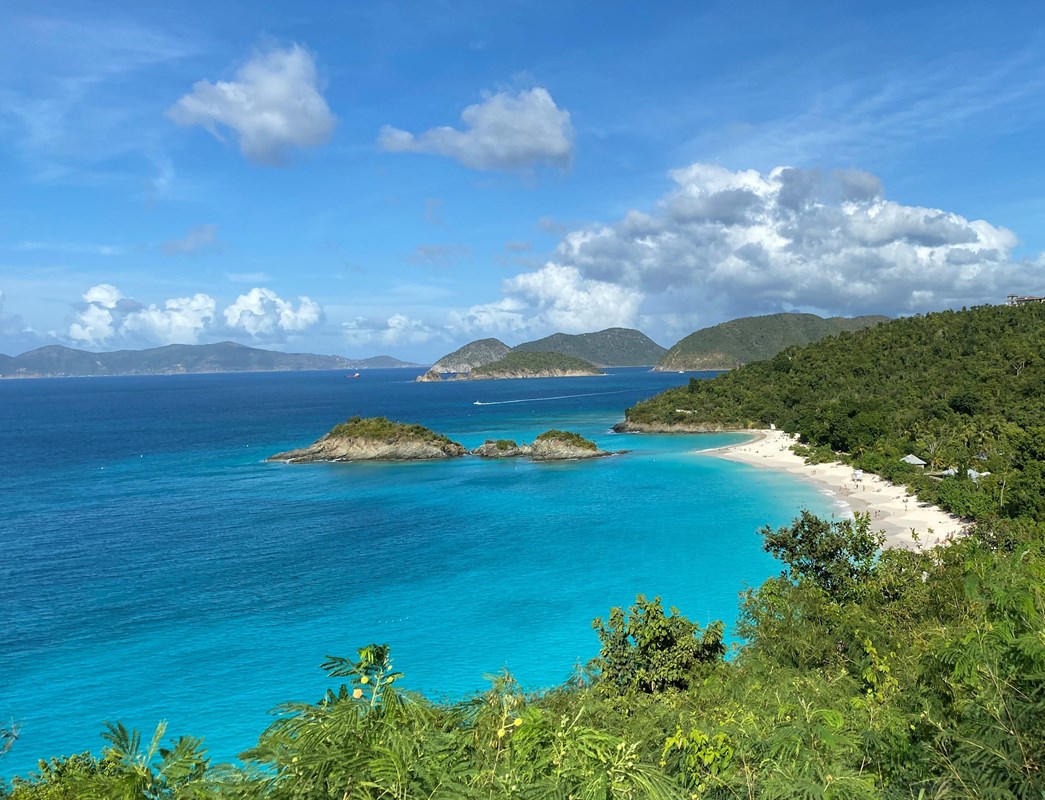
Trunk Bay · St. John
The iconic national-park crescent combines brilliant water, pale sand, an underwater snorkeling trail and useful facilities. Parking is extremely limited; arrive early or take a taxi from Cruz Bay. Facilities operate on set hours, the beach charges an amenity fee and there is no lifeguard.
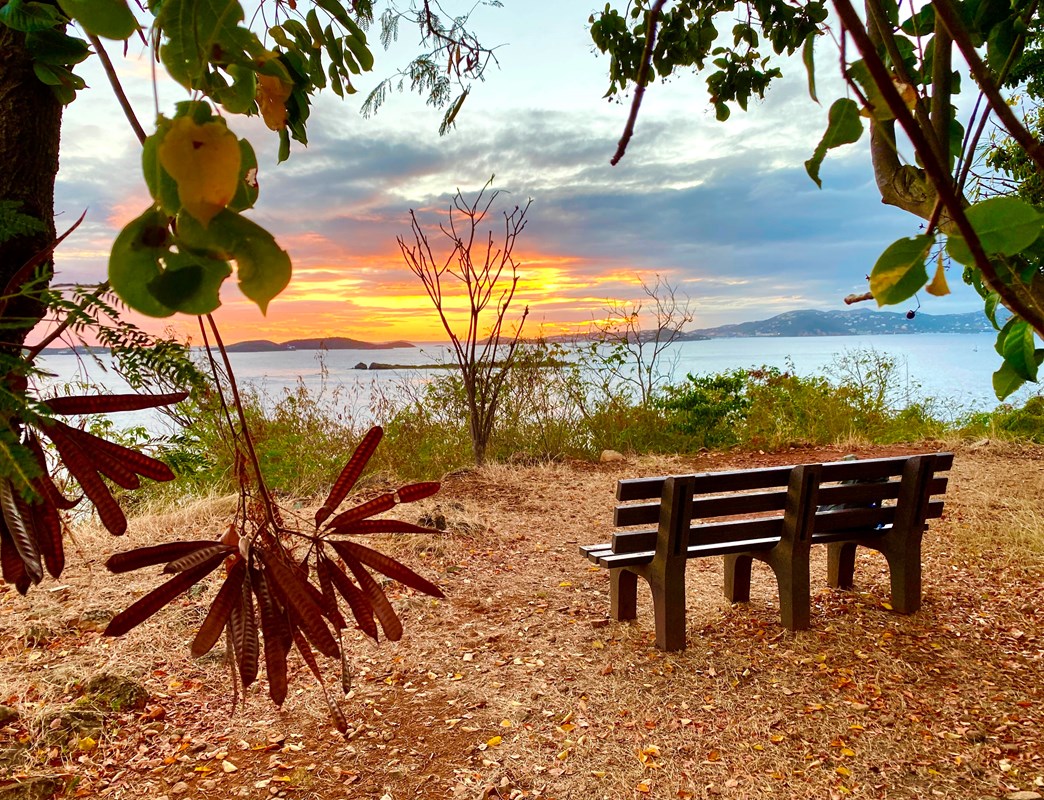
Honeymoon Beach · St. John
Reach this shaded white-sand cove by the Lind Point Trail, taxi, shuttle or small boat. The walk from Cruz Bay makes the arrival feel earned, while concessions and rentals keep the day comfortable. Snorkel the rocky edges when the water is calm.
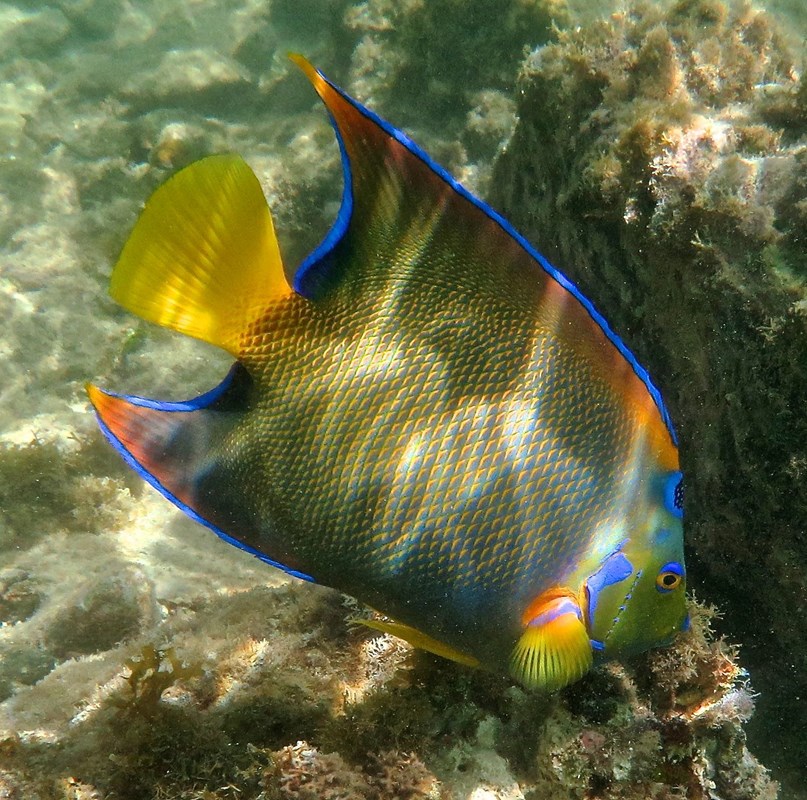
Sapphire Beach · St. Thomas
A strong East End combination of turquoise water, shore snorkeling, St. John views and a relaxed beach bar. Reef and seagrass areas can hold turtles, rays and reef fish; wind and swell determine visibility.
Maho Bay · St. John
Shallow water and broad seagrass beds make Maho one of the region’s easiest places to observe green turtles. Keep generous distance, never touch or chase them and stay alert near the road and busy parking edge.
Magens Bay · St. Thomas
A long, deeply sheltered bay with gentle swimming, rentals, food and a landscaped park. It is St. Thomas’s classic easy beach day—and one of its busiest when several ships are in port. Arrive at opening for the calmest version.
Cinnamon Bay · St. John
A broad national-park beach with camping, a general store, rentals and room to spread out. Snorkel near Cinnamon Cay in calm conditions, then pair the beach with the short nature loop and nearby ruins.
Lindquist Beach · St. Thomas
Smith Bay Park protects an unusually pretty East End strand with bright water, shade and picnic space. It is calmer than its open setting suggests on good days, but facilities are limited compared with Magens.
Waterlemon Cay · St. John
One of St. John’s most rewarding snorkels, reached by the Leinster Bay Trail from Annaberg. Current can be strong around the cay; weaker swimmers should stay close to shore or book a guided trip.
Exposure changes sharply from bay to bay.
Reviewed July 27, 2026
Regional sargassum levels have been elevated, but USVI impacts remain highly beach-specific. Exposed east- and southeast-facing shores usually carry higher risk; sheltered north-shore bays and western alternatives can be clearer, though no coast is guaranteed. Wind can change conditions overnight.
The Lind Point network starts close to the Cruz Bay ferry and turns a transfer day into a trail, overlook and swim.
National Park ServiceThe experiences that define the islands
The most popular tours—edited down to the ones worth your day.
The strongest excursions use the water to connect islands or add local interpretation to landscapes that are easy to admire and harder to understand.
St. John North Shore day
Use an open-air taxi or private driver to link overlooks, Trunk Bay, Maho, Cinnamon Bay and Annaberg without competing for every parking space.
BVI boat day
Clear customs and visit Jost Van Dyke, Norman Island or Virgin Gorda with a properly licensed operator. Confirm immigration fees, sea conditions and the exact island sequence.
National-park hike & snorkel
Pair a ranger-led walk, Reef Bay outing or Lind Point hike with a carefully chosen snorkel. History interpretation makes the plantation landscape far more meaningful.
Sailing from St. Thomas
Depart Red Hook or Compass Point for protected cays, St. John coves and—when clearance is included—the BVI. Choose a true sailboat when time under sail matters.
Hassel Island history
Cross Charlotte Amalie Harbor with an authorized operator to explore military ruins, the Creque Marine Railway and the island’s role in the harbor’s working history.
Sunset from the water
A small-group sail from Red Hook or Charlotte Amalie is a refined way to see the island lights appear.
St. Thomas food & history
Walk Charlotte Amalie with a guide who connects Fort Christian, the synagogue, emancipation history, markets and dishes such as fish and fungi, pates and kallaloo.
Night kayak or paddle
Bioluminescence varies with location, moon and season. Choose an operator that sets honest expectations and avoids disturbing mangroves and wildlife.
On & under the water
Snorkeling leads. Sailing connects everything.
Deep-sea fishing
St. Thomas is a premier Caribbean big-game base. Boats from Red Hook, American Yacht Harbor and Charlotte Amalie run to the North Drop for blue marlin, tuna, wahoo and mahi-mahi; St. John has little dedicated fleet, so most anglers depart St. Thomas. Serious North Drop trips are normally full-day commitments.
Best timing: Blue marlin is the warm-season headline, wahoo peaks in cooler months and mahi often improves in spring. Reserve early around tournaments and productive moon periods, when the best-equipped boats are claimed quickly.
Snorkeling & reef health
St. John offers the stronger shore-snorkeling network: Waterlemon Cay, Maho, Francis, Cinnamon, Trunk and Honeymoon all reward different skill levels. St. Thomas adds Sapphire, Secret Harbour, Coki and boat access to offshore cays. Expect turtles, rays, parrotfish, angelfish, tangs, squid and occasional nurse sharks.
Caribbean coral has endured marine heatwaves, bleaching, disease and hurricane damage. Conditions vary by site and year. Use only legal mineral sunscreen, never stand on coral, keep distance from turtles and choose guided snorkeling when current or boat traffic is unclear.
Scuba diving
St. Thomas diving includes reefs, pinnacles and wrecks such as the WIT Shoal II, Miss Opportunity and Cartanser Senior, with sites selected around certification and conditions. St. John trips focus on protected reefs, ledges and the south-side cays. The diving is enjoyable and varied, but dedicated divers should compare the separate St. Croix guide for the region’s most complete wall, wreck and pier portfolio.
Sailing
St. Thomas is a major charter gateway with bases, provisioning and marinas around Compass Point, Red Hook and the East End. St. John adds national-park moorings and extraordinary day anchorages, but regulations protect coral and seagrass. International trips to the BVI require passports, customs procedures and current fees.
Surfing
Hull Bay on St. Thomas and Reef Bay or exposed northern breaks on St. John can work with winter north swell, but the region is inconsistent and reef-heavy. Local knowledge is essential. Beginners should book a lesson.
Reefs, seagrass and mangroves are living habitat.
National Park ServiceCulture & trails
The Danish façades are beautiful. The history beneath them is not tidy.
Culture
Virgin Islands culture blends African, Caribbean, European, Puerto Rican and continental U.S. influences. English is official, Virgin Islands Creole is widely heard and Spanish is common. Carnival, quelbe music, moko jumbies, storytelling, fish and fungi, kallaloo, pates, dumb bread and bush tea belong to living culture.
In Charlotte Amalie, visit Fort Christian, the 99 Steps, Emancipation Garden and the historic synagogue. On St. John, Annaberg and Reef Bay require honest interpretation of plantation slavery, resistance and the 1733 rebellion.
Best hikes
Reef Bay Trail: a strenuous descent through forest, ruins and petroglyph country; the return climb is hot and demanding. Ram Head: an exposed 2.5-mile route from Salt Pond with little shade and a powerful sea view. Lind Point: the easiest scenic route from Cruz Bay to Salomon and Honeymoon beaches. Francis Bay: a gentler trail and boardwalk with strong birding.
Check current park closures before hiking. Carry substantially more water than the mileage suggests; shade and cell service are inconsistent.
Eat & sleep well
Let each island keep its own dinner personality.
Oceana, Blue 11, The Easterly, 3 Palms, SeaSalt and Caribbean Fish Market
Gladys’ Café, Petite Pump Room, Brooks Bar, Side Street Pub, Frenchtown delis and Red Hook favorites
The Terrace, Extra Virgin Bistro, Morgan’s Mango, La Tapa, ZoZo’s and Lime Inn
Miss Lucy’s, Skinny Legs, Johnny Lime, Uncle Joe’s, Maho Crossroads and Cruz Bay food trucks
Hotel strategy
St. Thomas has resorts. St. John has villas, small hotels and a national-park premium.
St. Thomas
Compare Secret Harbour and East End condos for practical access; Ritz-Carlton for full-service luxury; Bolongo for relaxed all-inclusive convenience; Frenchman’s Reef/Morningstar for a large resort close to town.
St. John
Gallows Point and Grande Bay work for Cruz Bay ease; Lovango offers an offshore resort experience; Cinnamon Bay supplies camping and eco-tents; villas dominate the broader inventory. Verify generator, cistern, road grade, parking and air-conditioning.
Practical details
U.S. systems—with one very Caribbean lane choice.
English is official. Virgin Islands Creole and Spanish are common.
ATMs are available on both islands; St. John has fewer backup options.
Keep cash for taxis, ferries, tips, small vendors and outages.
Mainland U.S. plugs work without an adapter.
Many buildings use cisterns. Drinking guidance depends on treatment and plumbing.
Most rental cars are left-hand drive. Take the first hour slowly.
Transportation
On St. Thomas, taxis charge regulated per-person fares and open-air safari taxis serve popular areas; VITRAN exists but is not a complete sightseeing strategy. Rental cars provide flexibility but parking and steep roads are real constraints. On St. John, taxis handle North Shore beaches efficiently; a Jeep is most valuable for Coral Bay, trailheads and remote coves.
Safety
Use normal urban caution in isolated parts of Charlotte Amalie after dark, lock vehicles and do not leave beach bags visible. The greater day-to-day risks are left-side driving, steep roads, heat, currents, no-lifeguard beaches and overconfidence around coral.
Health & vaccines
Be current on routine vaccines and review CDC guidance. Mosquito protection matters for dengue. Medical care is available on St. Thomas; St. John has clinics but major emergencies usually transfer to St. Thomas or beyond. Diving and evacuation coverage are prudent for active trips.
Mineral sunscreen law
The USVI prohibits sunscreens containing oxybenzone, octinoxate and octocrylene. Bring non-nano mineral sunscreen—and remember that a rash guard works even when you miss the back of your shoulder.
Research desk
Official sources & live checks
Ferry schedules, park operations, mooring rules, customs requirements and seasonal businesses change. Use these for a final date-specific check.