The short answer
Puerto Rico is the Caribbean’s best complete food trip.
Trinidad & Tobago may be the stronger pure street-food adventure, and Barbados may be the easiest island for moving between casual and refined meals. Puerto Rico wins overall because it delivers almost everything a food traveler could want: distinctive local cuisine, tours, markets, coffee, roadside cooking, seafood, hands-on experiences and restaurant depth across a large, varied island.
How we ranked them
A famous restaurant is not a food culture.
We scored 29 Caribbean destinations across 11 criteria: traditional local cuisine, street food, fine dining, seafood, food tours, cooking classes, local markets, restaurant variety, dining value, culinary events and ease of finding authentic food.
Local cuisine carried the greatest weight, followed by street food. Food tours, restaurant variety and authentic access also mattered heavily. Fine dining alone could not create an elite score; the best destinations needed identity, breadth and experiences ordinary visitors can actually reach.
Best complete food-focused trip
Puerto Rico
Mofongo, lechón, alcapurrias, coffee and a long evening in Old San Juan
Puerto Rico takes the title because its food story works at every level: deeply distinctive local cooking, roadside stands, markets, coffee country, seafood, accomplished restaurants and an exceptional range of tours and hands-on experiences. San Juan makes an effortless introduction, but the island’s regional variety—from the mountain chinchorros to coastal kiosks—turns a good food weekend into a complete culinary vacation.
Start with a walking food tour in Old San Juan, then leave the capital. Pair a day along Guavate’s Pork Highway or a chinchorreo route with coffee country, a coastal seafood stop and at least one reservation-led dinner.
Best street food and multicultural cuisine
Trinidad & Tobago
Doubles, roti, bake and shark, pelau and pepper sauce
Trinidad & Tobago is the Caribbean’s most exhilarating street-food destination. Indian, African, Creole, Chinese, Syrian-Lebanese and Indigenous influences meet in a cuisine that feels unmistakably its own. Markets, late-night food stops, festivals and excellent value make authentic eating unusually accessible, while Tobago adds seafood, crab and dumplings and a gentler island rhythm.
Make Trinidad the center of a food-first trip and use a guided night tasting or market tour to learn what to order. Add Tobago when you have enough time for a relaxed second chapter.
Best balanced culinary vacation
Barbados
Flying fish, cou-cou, fish cutters, rum-shop plates and Oistins
Barbados makes eating well beautifully easy. Oistins, rum shops, street food and locally caught fish sit comfortably beside destination restaurants, food tours and cooking experiences. That balance—casual and refined, traditional and creative, beachside and white-tablecloth—is why the island outperforms places with only one brilliant corner of the food scene.
Visit Oistins when the pace suits you, including quieter nights beyond the famous Friday scene. Build the rest of the week around a food tour, a rum-shop lunch, a west-coast dinner and one meal centered on Bajan cooking.
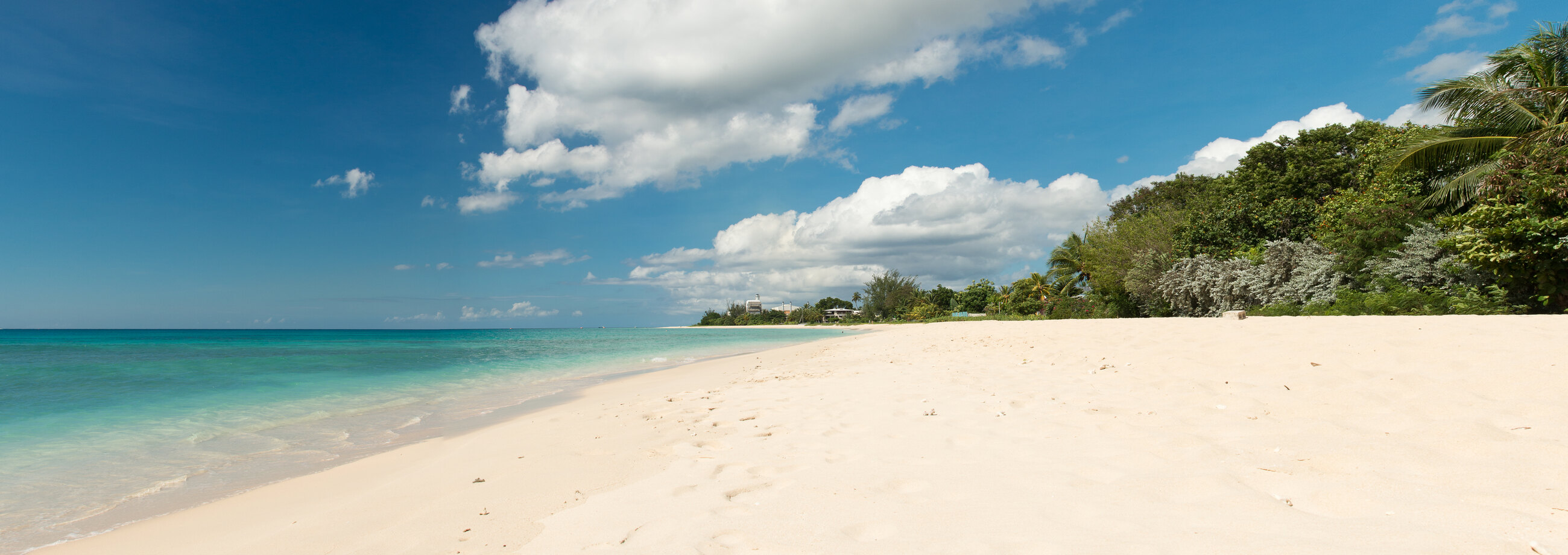
Barbados · From fish fry to fine dining
The rare island where every kind of meal belongs.
A food day can begin at a market, wander through a rum shop, pause for a fish cutter and still end at one of the Caribbean’s most refined tables.Best French-Creole market culture
Guadeloupe
Bokit, accras, court-bouillon, tourment d’amour and market spices
Guadeloupe pairs French technique with a deeply rooted Creole pantry. Markets, bakeries, seafood, local restaurants and unusually strong cooking workshops give travelers more ways to participate than simply making dinner reservations. The archipelago matters too: Basse-Terre, Grande-Terre, Les Saintes and Marie-Galante each add a different culinary accent.
Treat the islands as distinct food neighborhoods. Use Pointe-à-Pitre or Sainte-Anne for markets and casual bites, seek country cooking on Basse-Terre, and leave room for the specialties of Les Saintes or Marie-Galante.
Best unmistakable culinary identity
Jamaica
Jerk, patties, ackee and saltfish, escovitch fish and curry goat
Few islands have a food identity as immediate—or as deep—as Jamaica. Jerk smoke, patties, breakfast plates, roadside cooking, seafood, fruit, rum and regional specialties make the island rewarding well beyond its resorts. Authentic food is easy to find, and the strongest meals often come from places where the setting is simple and the recipe has been practiced for generations.
Choose a route as much as a resort. Portland is essential for jerk and lush-roadside stops; Kingston brings markets and modern restaurants; the south coast rewards travelers who slow down for seafood and local kitchens.
Best immersive spice-and-cacao trip
Grenada
Oil down, nutmeg, cocoa tea, chocolate, doubles and fresh seafood
Grenada turns ingredients into experiences. Nutmeg, cacao and other spices are not decorative labels here; they shape farm visits, chocolate workshops, market mornings, cooking classes and the island’s national dish, oil down. Strong street food, good value and easy access to authentic cooking make the Spice Isle one of the region’s most participatory culinary trips.
Reserve at least one cacao or chocolate experience and one cooking class before arrival. Pair them with a St. George’s market morning and a relaxed local lunch to understand the ingredients and their place in Grenadian cooking.
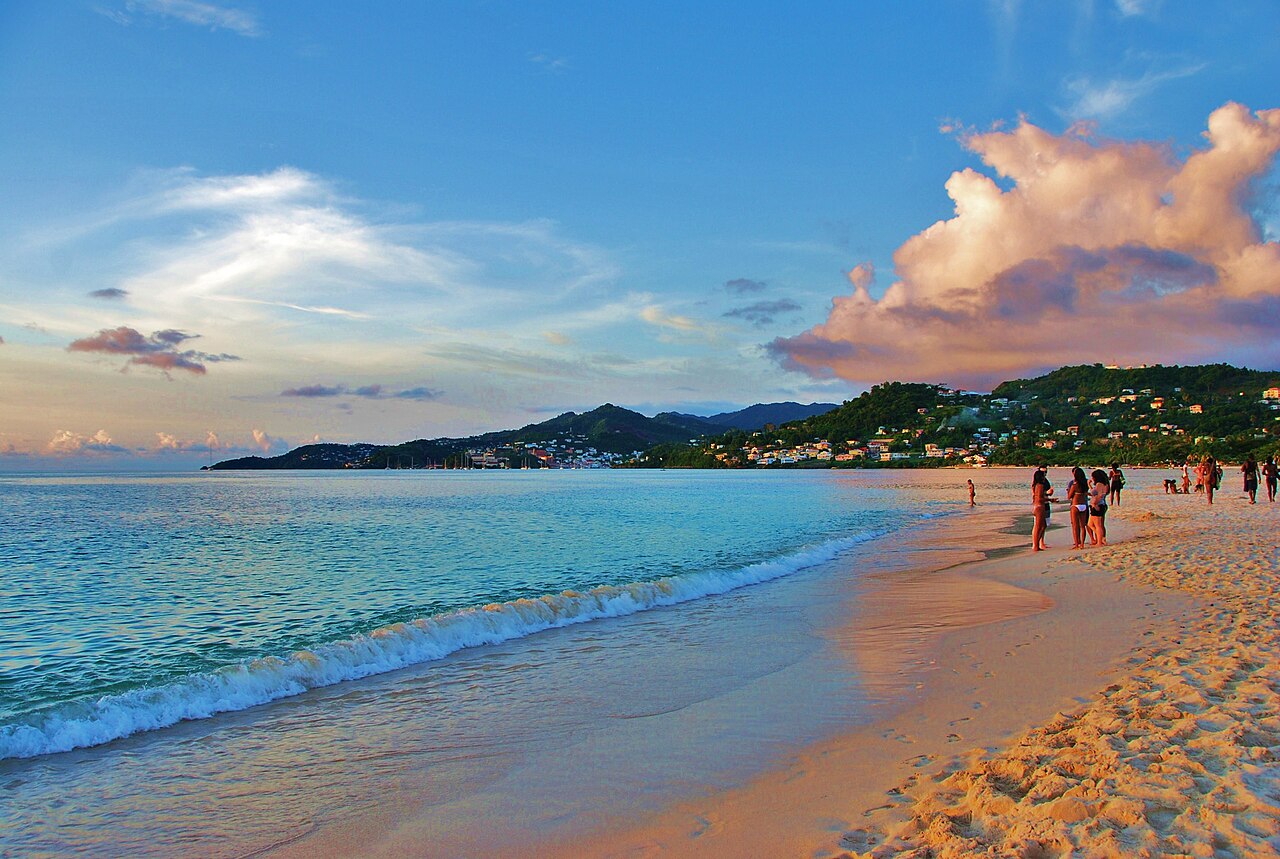
Grenada · Taste the landscape
Nutmeg, cacao and a kitchen that begins in the soil.
Grenada’s strength is participation: farms, markets, chocolate makers and cooking workshops bring the island’s ingredients into focus.Best refined dining and culinary events
Cayman Islands
Cayman-style fish, conch, turtle-inspired heritage dishes and refined seafood
Cayman combines one of the Caribbean’s deepest restaurant scenes with excellent seafood, accomplished chefs and serious culinary programming. Food tours, demonstrations and events such as Cayman Cookout, Taste of Cayman and Restaurant Month make it especially strong for travelers who want a polished, reservation-friendly food vacation. The tradeoff is price: exceptional depth does not come with exceptional value.
Grand Cayman holds most of the restaurant range. Check current event dates before booking, reserve headline meals early and deliberately include local Caymanian cooking so the trip does not become a tour of international resort restaurants.
Best sophisticated French-Caribbean cuisine
Martinique
Accras, colombo, boudin créole, fresh seafood and agricole rum
Martinique blends French technique, Creole ingredients, market culture and one of the Caribbean’s great rum traditions. Bakeries and casual local restaurants coexist with refined dining, while seafood, tropical produce and distinctive dishes give the experience a strong sense of place. It is elegant without losing the foodways that make the island Martinican.
Use Fort-de-France for its market and urban dining, then travel. A north-island distillery or agricultural day and a south-coast seafood meal reveal more than staying inside one resort corridor.
Best compact restaurant-hopping island
Saint Martin / Sint Maarten
Grand Case dining, local lolos, Creole seafood and Dutch-side variety
Two countries make one remarkably dense dining destination. French Saint-Martin brings Grand Case, bakeries, Creole cooking and sophisticated restaurants; Dutch Sint Maarten adds international variety, nightlife and another layer of casual dining. Food festivals and excellent restaurant depth let visitors build a highly varied culinary trip without long drives.
Eat on both sides. Balance a reservation in Grand Case with a lolo lunch, a bakery morning and a Dutch-side evening. Border traffic can turn a short distance into a long transfer, so group meals by area.
Best depth and dining value
Dominican Republic
La bandera, sancocho, mangú, mofongo, pastelitos and coastal seafood
The Dominican Republic rewards travelers who look beyond the all-inclusive buffet. Its size creates genuine regional variety, while markets, street food, family restaurants, seafood and strong value make culinary exploration accessible. The food culture is broad, generous and woven into daily life—the challenge is leaving enough room in the itinerary to find it.
Choose the region intentionally. Santo Domingo offers the best mix of historic atmosphere, restaurants and markets; Samaná and other coastal areas add seafood; inland and neighborhood stops bring the most everyday Dominican cooking.
How to use this list
Follow the cooking traditions across the islands.
A food-focused Caribbean trip is strongest when it mixes formats: a market morning, a roadside lunch, a guided tasting, a local specialty and one carefully chosen dinner. Ask guides and hosts where they eat, and remember that the most meaningful plate may arrive without a dress code or a sea view.
Restaurants, classes, tours and festivals change often. Use the official links as a starting point, then verify current opening days, reservations and event dates before building flights or hotels around a particular experience.
More Caribbean, carefully ranked.